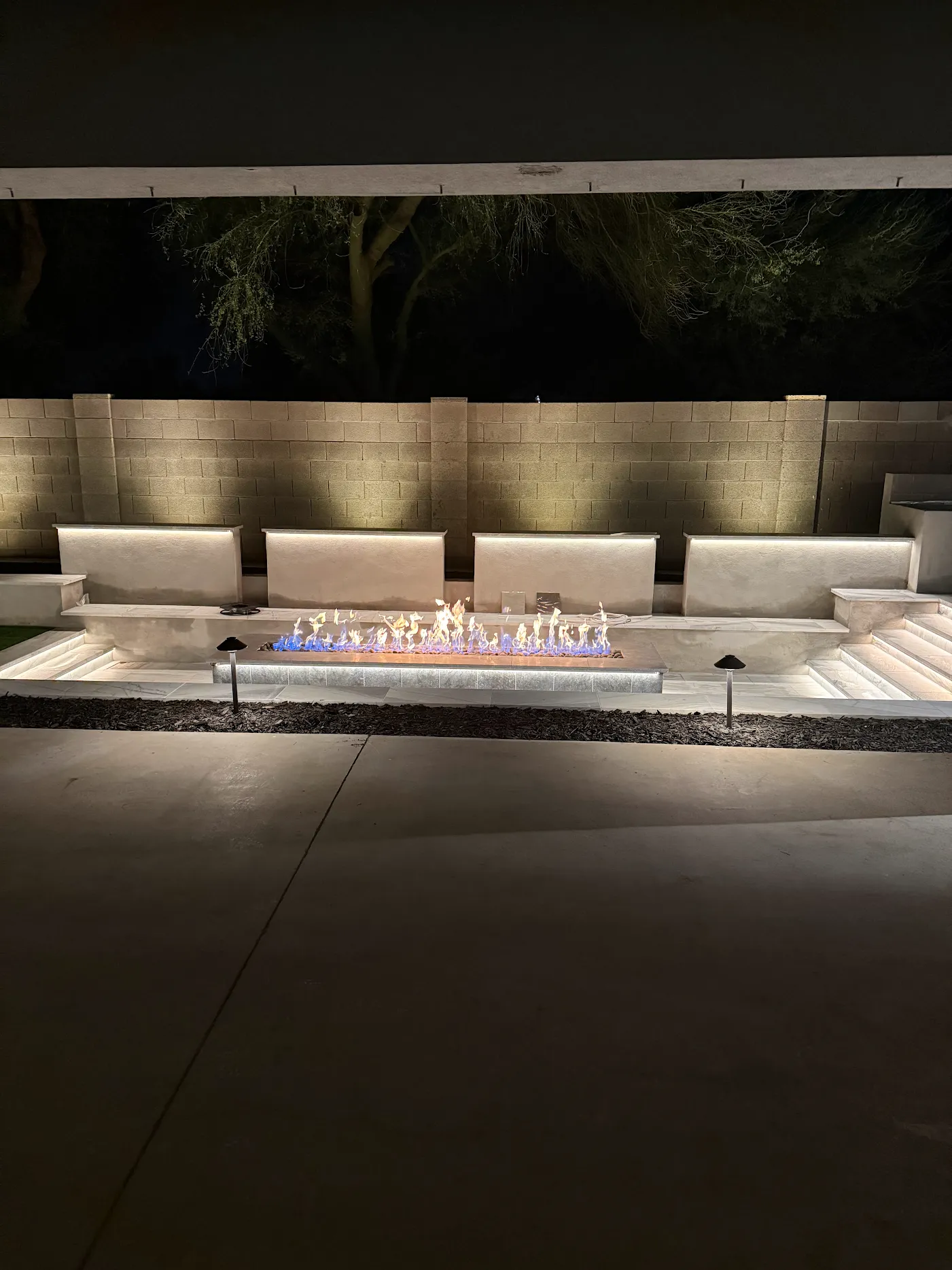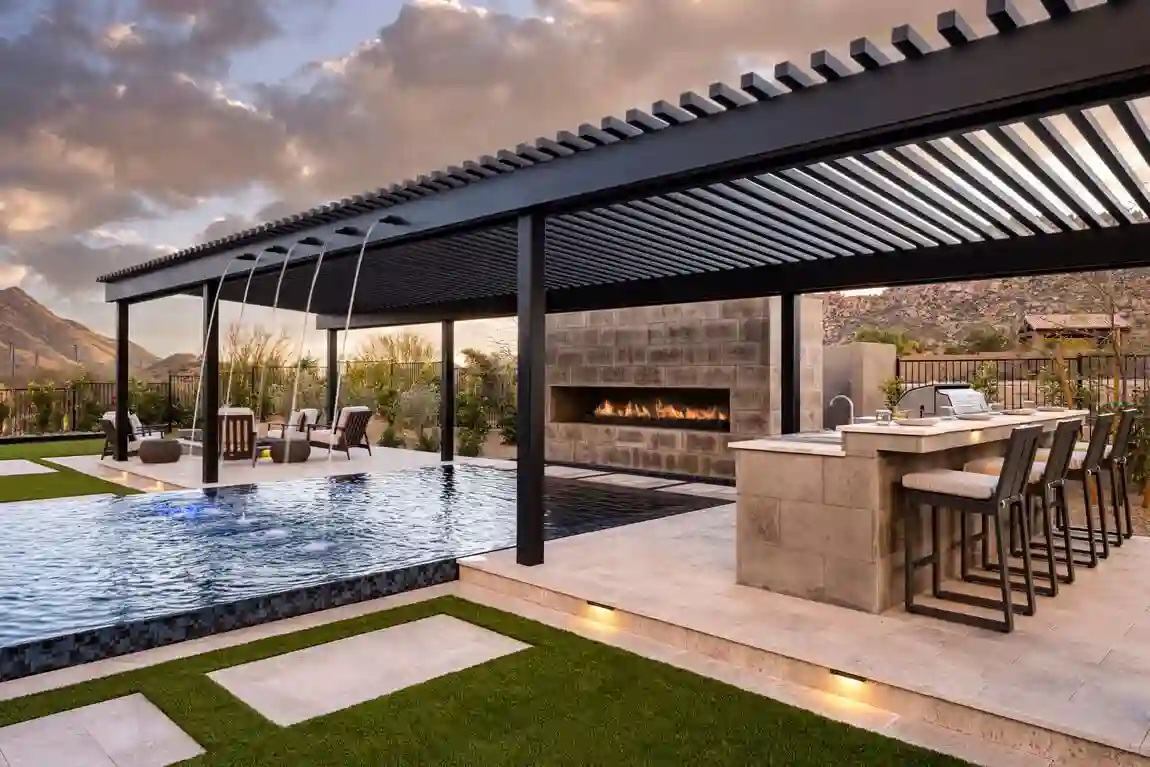
When it comes to enhancing your backyard, Platinum Outdoors specializes in outdoor lighting installation that elevates both aesthetics and functionality. From creating a warm, inviting atmosphere for evening gatherings to improving safety and security, the right landscape lighting can completely transform your outdoor space.
In this guide, Platinum Outdoors walks you through everything you need to know about outdoor lighting—covering popular landscape lighting ideas, practical installation tips, and expert advice on choosing the right fixtures for your home. Whether you’re a homeowner looking to add charm to your garden or aiming for a safer and more secure outdoor environment, Platinum Outdoors has you covered.
Benefits of Outdoor Lighting
Outdoor lighting serves a variety of purposes that go beyond just decoration. Below are some of the most significant benefits of installing landscape lighting:
-
Enhances Aesthetic Appeal
Proper lighting can highlight the beauty of your landscaping, outdoor features, and architectural details. From illuminating trees and water features to accentuating the texture of a stone pathway, the bright lights can bring your outdoor vision to life.
-
Improves Safety and Security
Strategically placed outdoor lighting can deter intruders and reduce the risk of accidents. A well-lit yard, walkway, and driveway provide greater visibility, preventing tripping hazards and increasing your home’s security.
-
Extends Outdoor Living Time
With outdoor lighting, you can extend the usability of your backyard well into the evening. Whether it’s a relaxing night on the patio or a backyard party, good lighting ensures you can enjoy your space long after the sun sets.
-
Increases Property Value
Well-designed outdoor lighting can increase the curb appeal of your home and potentially raise its market value. Buyers are often drawn to properties with well-maintained, beautifully lit landscapes.
Landscape Lighting Ideas for Every Area
When planning your outdoor lighting, it’s essential to consider the different lighting types suited for various areas of your yard. Here are some popular landscape lighting ideas:
Pathway Lighting
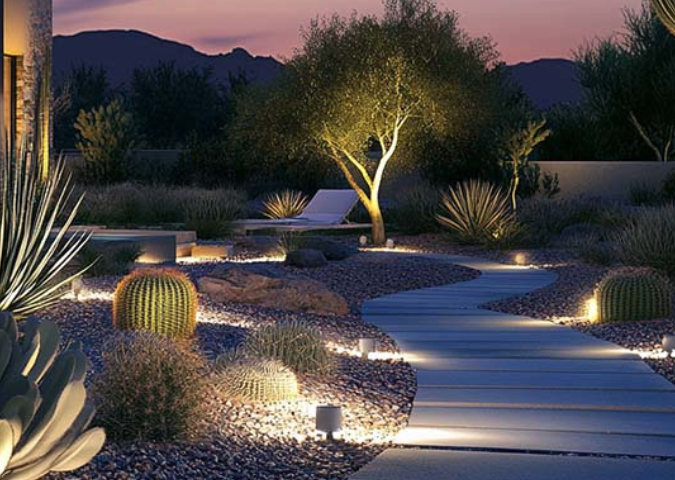
Pathway lights are ideal for illuminating walkways, driveways, or garden paths. Not only do they make navigating your outdoor spaces safer, but they also create a visually appealing effect that guides guests through your yard.
- Recommended Fixture: Low-voltage or solar-powered pathway lights.
- Placement Tips: Space the lights about 6–8 feet apart to create a balanced and welcoming look.
Accent Lighting
Accent lighting is used to highlight specific outdoor features, such as trees, statues, fountains, or flower beds. These lights draw attention to focal points and create dramatic shadows or light spots for added visual interest.
- Recommended Fixture: Spotlights or floodlights.
- Placement Tips: Position the light at an angle to the object to achieve a striking effect.
Task Lighting
Task lighting is practical and used for activities such as grilling, reading, or cooking in outdoor kitchens. These lights are brighter and focused, providing enough illumination for specific tasks.
- Recommended Fixture: Pendant lights or adjustable sconces.
- Placement Tips: Ensure the lighting is placed in locations where you will be performing tasks, like near seating areas or a BBQ grill.
Security Lighting
For safety purposes, security lighting is essential to deter burglars and ensure visibility at night. These lights are often motion-activated or equipped with sensors.
- Recommended Fixture: Motion sensor lights or floodlights.
- Placement Tips: Place them near entry points like doors and gates to maximize security.
If you’re unsure about the best setup for your home, don’t hesitate to contact us for expert advice and tailored outdoor lighting solutions.
Factors to Consider Before Installation
Before diving into outdoor lighting installation, it’s important to consider a few key factors that will affect your overall design and functionality:
-
Outdoor Lighting Layout
Map out your yard and decide which areas need lighting. For example, focus on high-traffic paths, seating areas, or any special features that you want to highlight.
-
Power Supply
Ensure that your outdoor lighting system has a reliable power source. You can choose from hardwired systems, low-voltage systems, or solar-powered lights, depending on your needs and budget.
-
Climate and Weather Conditions
Consider the local climate when selecting your lighting fixtures. If you live in a region with heavy rain or snow, you’ll need weather-resistant lights designed to withstand the elements.
-
Light Pollution
Be mindful of light pollution and avoid placing lights in ways that disturb your neighbors or disrupt the natural environment. Opt for energy-efficient lights that are appropriately dimmed or shielded to minimize this issue.
-
Budget
Create a budget that aligns with your desired look and functionality. While high-end lighting fixtures can enhance your outdoor space, affordable options can also achieve the same effect when installed strategically.
Step-by-Step Guide to Outdoor Lighting Installation
Whether you’re hiring a professional or taking on a DIY project, here’s a basic step-by-step guide to help you with your outdoor lighting installation:
Step 1: Plan Your Design
Begin by walking around your yard and visualizing where you want your lights. Consider the areas that need more illumination and what features you’d like to highlight.
Step 2: Select Your Lights
Choose fixtures that match the lighting ideas and style you want to achieve. Remember, a combination of different types of lighting (e.g., pathway, accent, and security lighting) will offer the best results.
Step 3: Install Wiring (if necessary)
For wired systems, lay out the wiring from your power source to the various lighting fixtures. Ensure you follow local electrical codes and guidelines for safety.
Step 4: Place Your Fixtures
Place the lights in their designated spots. For solar-powered lights, installation is typically as simple as inserting the stakes into the ground. For wired systems, you’ll need to secure fixtures and ensure they are connected to the wiring.
Step 5: Test Your Lights
Once everything is installed, test each fixture to ensure it’s working correctly. Adjust the positioning as needed to ensure the lights provide the desired effect.
Choosing the Right Lighting Fixtures
The right lighting fixtures will play a significant role in the overall success of your outdoor lighting design. Here are some popular lighting options and what they’re best used for:
-
LED Lights
Energy-efficient and long-lasting, LED lights are a great choice for both accent and task lighting. They come in a range of styles and can produce different light colors and intensities.
-
Solar Lights
Solar lights are ideal for homeowners who want an eco-friendly, low-maintenance solution. They charge during the day and automatically turn on at night, though they may be less bright than wired options.
-
Halogen Lights
Halogen lights offer bright, clear light and are a popular choice for path lighting or general illumination. However, they tend to use more energy than LEDs.
-
Incandescent Lights
Incandescent lights create a classic warm glow, often used for accent lighting in gardens and patios. They’re affordable but have a shorter lifespan and higher energy consumption. Platinum Outdoors helps clients choose when and where incandescent lighting works best to enhance ambiance without compromising efficiency.
Maintaining Your Outdoor Lighting System
Proper maintenance ensures your outdoor lighting system continues to function properly year-round. Here are some maintenance tips:
- Clean Your Fixtures Regularly: Dust and dirt can accumulate on lights, dimming their effectiveness. Wipe down your fixtures and clean the lenses to ensure maximum brightness.
- Inspect Wiring and Connections: Periodically check for fraying or exposed wires, especially in areas prone to moisture.
- Replace Burnt-Out Bulbs: Keep spare bulbs on hand and replace any bulbs that have burned out.
- Trim Surrounding Foliage: Ensure plants and trees don’t block your lights, which can reduce their effectiveness.

Conclusion
Outdoor lighting installation is a powerful tool for transforming your backyard into a captivating, functional space. Whether you’re looking to highlight specific features, increase security, or extend the use of your yard into the evening, the right landscape lighting can make a world of difference. By considering the different types of lighting, planning your layout carefully, and choosing the right fixtures, you can create an inviting outdoor environment that complements your home and lifestyle.
Remember to factor in practical considerations such as climate, budget, and ease of maintenance to ensure your lighting system lasts for years to come. If you need guidance or professional assistance, companies like Platinum Outdoors LLC are ready to help with your outdoor lighting design and installation needs.
FAQs About Outdoor Lighting Installation
-
How much does outdoor lighting installation cost?
The cost depends on the complexity of the system, the type of lighting you choose, and whether you hire a professional or do it yourself. On average, you can expect to pay between $1,500 to $3,500 for a complete system.
-
Can I install outdoor lighting myself?
Yes, if you have basic electrical knowledge, you can install outdoor lighting yourself. However, if you’re not comfortable working with electricity, it’s best to hire a professional to ensure safety.
-
How long do outdoor lights last?
The lifespan of outdoor lights varies based on the type of bulb. LED lights typically last 25,000 to 50,000 hours, while halogen and incandescent bulbs have shorter lifespans.
-
Do outdoor lights use a lot of electricity?
LED lights are energy-efficient and use significantly less power than traditional halogen or incandescent bulbs. Solar lights are the most energy-efficient, as they don’t require electricity at all.
-
Can outdoor lighting systems be upgraded or expanded?
Yes, outdoor lighting systems are often expandable. Whether you want to add more lights to highlight additional areas or upgrade your fixtures to more energy-efficient options like LED, you can modify your system as your needs evolve.