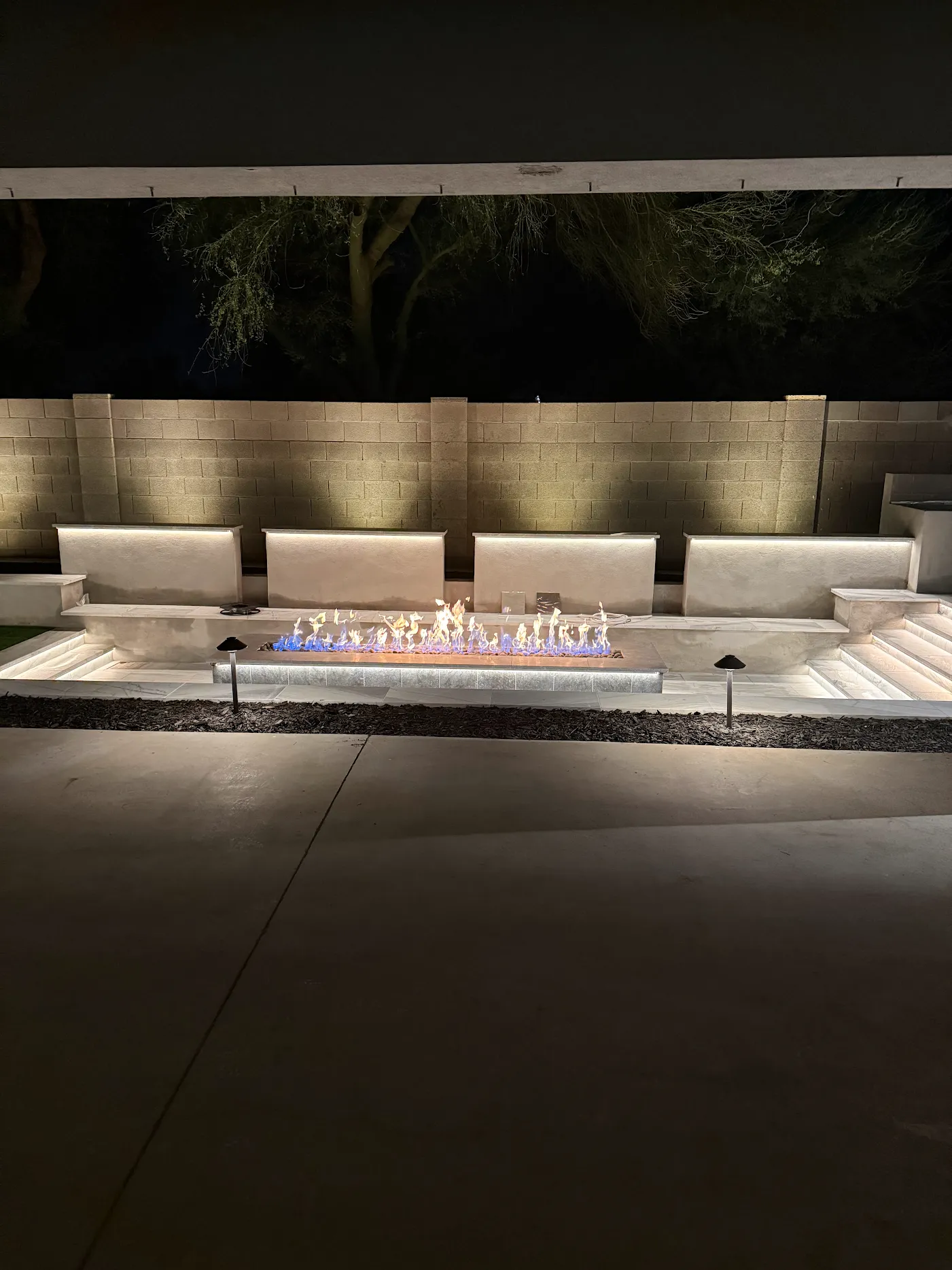
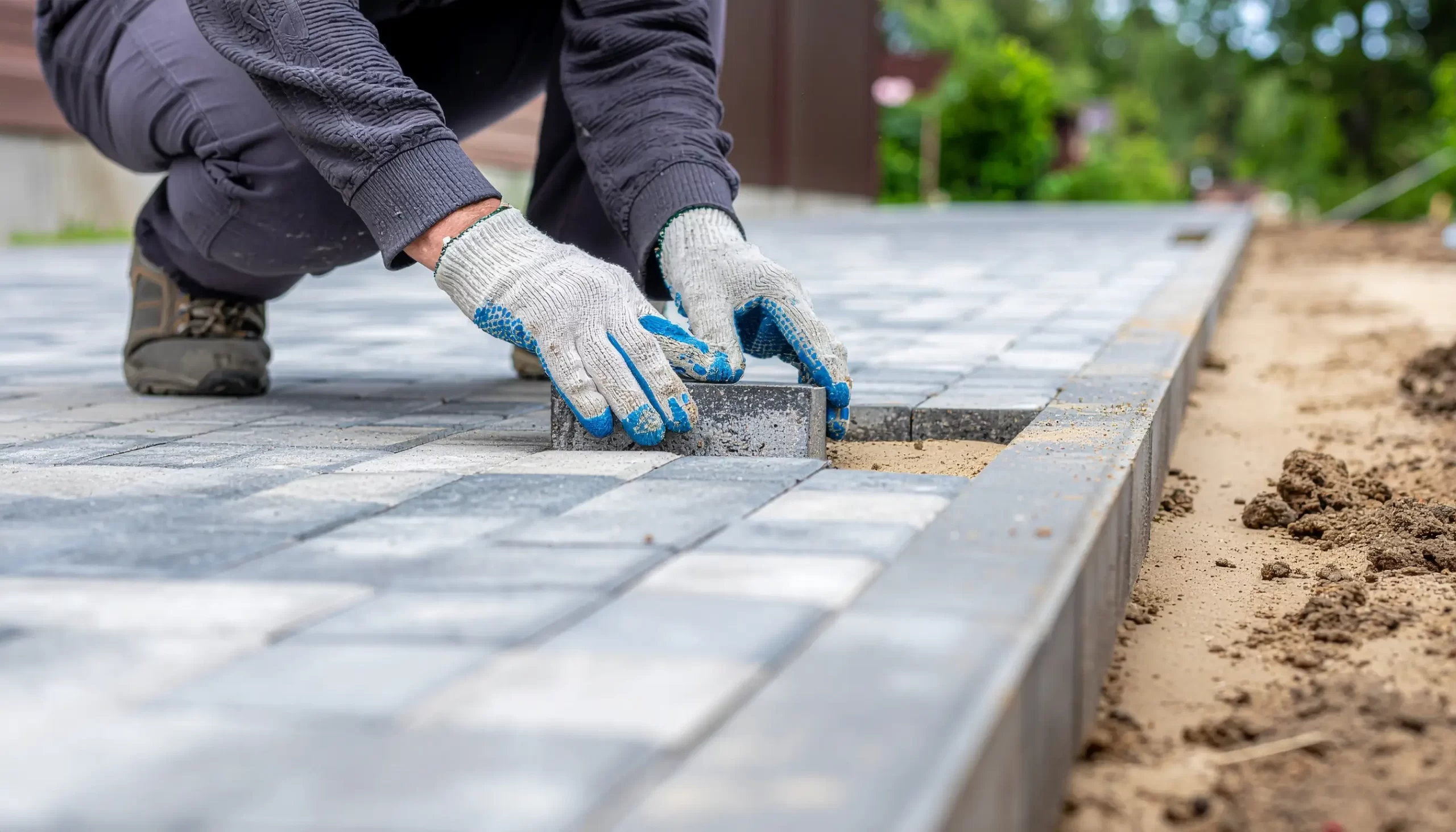
Choose heat-resistant materials: Opt for granite, quartzite, or stainless steel for countertops and cabinets. Avoid untreated wood or soft metals.
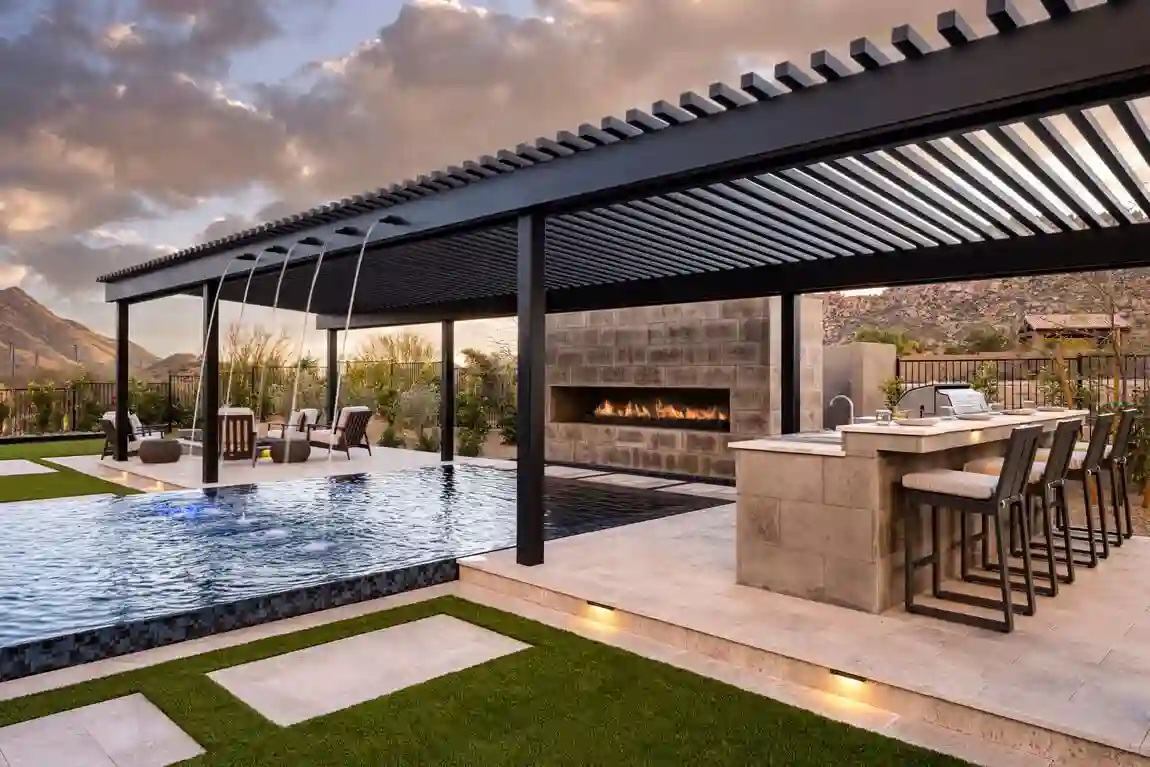
Add shade: Use pergolas, retractable canopies, or shade sails to block direct sunlight and keep surfaces cooler.
Install cooling systems: Misting systems and ceiling fans can reduce temperatures by up to 30°F.
Pick the right location: Place your kitchen in a shaded area, away from direct sun and strong winds.
Invest in outdoor-rated appliances: Use weather-resistant grills, refrigerators, and ice makers designed for high temperatures.
Plan your layout wisely: Arrange work zones efficiently and ensure proper ventilation for safety.
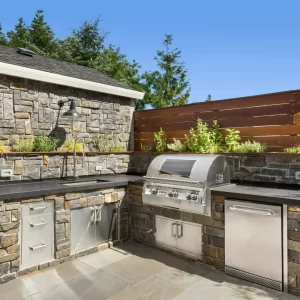
Quick Overview of Key Costs (USD):
| Component | Price Range |
|---|
| Grills | $500–$10,000+ |
| Outdoor Refrigerator | $1,000–$5,000 |
| Granite Countertops | $50–$100/sq. ft. |
| Pergola | $8,500–$20,000+ |
| Gas/Electric Package | $3,000–$5,000 |
By focusing on durable materials, proper shading, and cooling, you can create a comfortable and long-lasting outdoor kitchen perfect for hot climates.
Planning Your Project: Needs, Budget, and Site Selection
Start by defining how you’ll use the space, setting a budget, and picking the best location. These steps will guide your decisions and ensure your outdoor kitchen fits your vision.
Deciding How You’ll Use Your Kitchen
Your design should reflect how you plan to use the space. Are you dreaming of casual family dinners under the stars, hosting lively weekend barbecues, or creating a chef-level setup with professional equipment and ample prep areas? Each scenario calls for different features and layouts.
If you live in a hot climate, think about cooking during cooler parts of the day. Add lighting for evenings and early mornings, and include covered storage to protect your essentials from heat and sun. Also, consider how the kitchen will complement your existing landscape. Will you need outdoor refrigeration, an ice maker, or specialized ventilation? These details can make all the difference in functionality.
Creating Your Budget
Outdoor kitchen costs can vary widely depending on your choices. On average, most homeowners spend around $13,180, with typical projects ranging from $5,060 to $17,280. However, high-end builds can exceed $40,000. Knowing your budget upfront helps you prioritize and make informed decisions.
Here’s a breakdown of common costs:
| Component | Price Range |
|---|
| Grills | $500 – $10,000+ |
| Outdoor Refrigerator | $1,000 – $5,000 |
| Granite Countertops | $35 – $80 per sq. ft. |
| Single Cabinet | $1,700 – $2,400 |
| Full Cabinet Set | $10,000 – $40,000 |
| Ice Makers | $2,100 – $5,000 |
| Vent Hood | $2,000 – $6,000 |
| Pergola | $8,500 – $20,000+ |
| Pavilion | $25,000 – $40,000+ |
Don’t forget additional expenses like gas and electrical packages ($3,000–$5,000), permits ($500), installation ($650–$2,000), and plumbing or electrical work ($250–$2,000).
If your budget is tight, focus on essentials first. Many homeowners tackle their outdoor kitchen in phases – starting with the foundation and utilities, and adding appliances or luxury features over time.
An outdoor kitchen can also be a smart investment. Depending on your location and comparable homes, you might see a return on investment (ROI) between 55% and 200%. Once your budget is set, you can choose a site that balances convenience, shade, and natural flow.
Picking the Best Spot
Your kitchen’s location should minimize heat exposure, maximize shade, and offer convenience. A well-chosen spot ensures comfort and practicality.
Shade is especially important. Pay attention to how the sun moves across your yard during the day. Direct sunlight can make surfaces unbearably hot, particularly in places like Arizona. Placing your kitchen in a shaded area can help create a more enjoyable cooking environment during warm months.
Wind direction also matters. Position your grill to ensure smoke is carried away from your home and neighboring areas, avoiding unpleasant odors.
Proximity to your house is another key factor. Placing your outdoor kitchen about 15 to 20 feet from your indoor kitchen strikes the right balance. It’s close enough for easy access but far enough to keep cooking smells and heat from affecting your home. This setup also makes running utility lines – like water, gas, and electricity – more cost-effective.
Lastly, think about accessibility and flow. Your outdoor kitchen should connect naturally to both your indoor space and outdoor entertainment areas. This makes it easier to move food, drinks, and supplies while keeping the space safe and functional.
Picking Materials That Handle Heat and Sun
When designing an outdoor kitchen, it’s essential to choose materials that can withstand heat, UV rays, and fading. These materials ensure your space remains both functional and visually appealing, even under intense sunlight.
Counters and Cabinets
For countertops, granite is a popular choice. It handles high temperatures, resists stains, and keeps its color even in direct sunlight. Prices range from $50 to $100+ per square foot. Another option is soapstone, known for its heat resistance and low maintenance, costing around $35 to $100 per square foot. If you’re looking for a blend of durability and elegance, quartzite delivers the toughness of granite with the look of marble, though it comes at a higher price.
To reduce heat absorption, stick to lighter shades like white, tan, or light gray.
Stainless steel countertops are another durable option, priced between $70 and $100 per square foot. However, they can get quite hot under direct sunlight. For the best rust and corrosion resistance, opt for grade 304 stainless steel.
For cabinets, materials like stainless steel (or powder-coated versions) and marine-grade polymer (HDPE) offer excellent weather resistance with minimal upkeep. Avoid standard quartz in hot climates as it lacks heat resistance and may yellow over time. Similarly, wood cabinets demand significant maintenance and sealing to endure heat and UV exposure.
| Countertop Material | Heat Resistance | UV Resistance | Price Range | Maintenance |
|---|
| Granite | High | Good | $50–$100+ per sq. ft. | Seal Regularly |
| Soapstone | High | Good | $35–$100 per sq. ft. | Oil Regularly |
| Quartzite | High | Moderate | Higher than granite | Seal Annually |
| Stainless Steel | High | N/A | $70–$100 per sq. ft. | Easy to Clean |
Once you’ve chosen countertops and cabinets, it’s time to think about flooring that complements these heat-resistant materials.
Floors and Paving
When it comes to flooring, travertine is an excellent option. It stays 20–30% cooler than many other materials, making it comfortable to walk on, even in direct sunlight.
Porcelain and ceramic tiles are also great choices. They resist heat and UV rays, preventing fading over time. Porcelain tiles, in particular, reflect sunlight and their glazed surfaces can reduce heat absorption by up to 20%.
For a classic look, natural stone pavers offer durability and heat resistance. For example, cream-colored sandstone maintained surface temperatures of around 115°F when air temperatures hit 99°F with a heat index of 108°F.
Concrete pavers are durable and easy to install but tend to absorb more heat compared to natural stone. To keep surfaces cooler, stick to lighter colors like white, tan, or light gray.
Vinyl flooring is best avoided – it struggles with heat reflection, expands under high temperatures, and is prone to warping due to UV exposure.
Finally, sealing your pavers is a smart move. It protects against moisture, mold, and salt damage, ensuring your flooring lasts longer.
At Platinum Outdoors, we specialize in helping you select the right materials for hot climates. Whether it’s countertops, cabinets, or flooring, we focus on creating an outdoor kitchen that balances durability, comfort, and style. That’s why we should be top of mind when you’re choosing the right outdoor contractor.
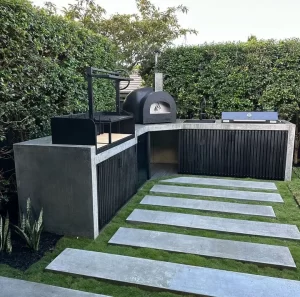
Adding Shade and Cooling Systems
Creating shade and incorporating cooling systems can make a huge difference in the comfort of your outdoor kitchen. Without shade, surfaces can heat up to 20°F above the surrounding air temperature, making the space uncomfortable for cooking or dining.
Building Shade Covers
Shade covers come in many forms, each offering unique benefits depending on your needs and space.
- Shade sails are a flexible and budget-friendly option. They block up to 95% of UV rays while allowing airflow, which is especially useful in cooking areas where heat can accumulate.
- Cantilever structures provide wide coverage without taking up much ground space. These are perfect for shading both cooking and dining areas from a single anchor point.
- Pergolas with retractable canopies let you control sunlight throughout the day. Extend the canopy to block intense sun, or retract it for a more open and airy feel during cooler times.
- Pavilions offer year-round protection from sun, rain, and wind, creating a fully functional outdoor room. While they require a higher upfront cost, they significantly expand your usable space.
- Aluminum panel roofs stand out for their durability and low maintenance. Unlike fabric covers, they won’t fade or tear over time, making them a solid long-term investment.
- Green pergolas combine shade with natural cooling by incorporating climbing plants, adding both comfort and beauty to your outdoor kitchen.
- Umbrellas are a simple, effective solution for smaller areas. Retractable models add convenience, allowing you to adjust coverage as needed.
Pairing these shade options with active cooling systems can take your outdoor space to the next level.
Installing Cooling Features
While shade structures block direct sunlight, active cooling systems help bring down the overall temperature.
- Misting systems are a popular choice for outdoor spaces, effectively lowering ambient temperatures. Customers often report a noticeable improvement in comfort when misting systems are paired with ceiling fans.
- Ceiling fans installed under pergolas or pavilions keep the air moving, reducing the perceived temperature and making the space feel cooler.
- For optimal comfort, place heat-generating appliances in shaded areas and take advantage of natural cross-breezes to minimize heat buildup.
At Platinum Outdoors, we specialize in designing shade and cooling solutions that work together seamlessly. Whether it’s a pergola with fans or a fully equipped pavilion with integrated misting, we ensure your outdoor kitchen stays comfortable – even during Arizona’s hottest days.
Selecting Appliances Built for Hot Weather
When designing an outdoor kitchen for hot climates, choosing appliances that can handle extreme heat is essential. Durable materials and efficient cooling systems ensure your setup runs smoothly, even when temperatures soar.
Grills, Fridges, and Cooktops
Gas grills are a reliable option for outdoor kitchens in hot weather. They’re known for their durability and consistent performance. Models from leading brands often feature stainless steel construction, multiple burners, and built-in mechanisms to minimize flare-ups, making them a solid choice for high-heat environments.
If you’re more into charcoal grilling, Kamado-style ceramic grills – like the Big Green Egg Large Charcoal Kamado Grill – are excellent. They retain heat exceptionally well and are built to withstand tough weather conditions, ensuring steady performance even in extreme heat.
Outdoor refrigerators are specifically designed to tackle the challenges of hot weather. With stronger compressors, extra insulation, and weather-resistant wiring, these units maintain cool temperatures, even when exposed to direct sunlight.
When shopping for outdoor refrigerators, consider options like the Sub-Zero 24″ Outdoor Undercounter Refrigerator or the Blaze 24″ 5.5 Cubic Feet Outdoor Refrigerator, priced at $1,749.00. Another dependable choice is the Summit SPR627OS 24″ Wide Outdoor All-Refrigerator, available for $1,605.00.
Key features to look for include:
- ETL, UL, or CSA certifications – These ensure the appliance has passed rigorous performance and safety tests for outdoor use.
- High-grade stainless steel construction – Essential for resisting rust and corrosion in extreme heat.
- Extra insulation – Keeps appliances running efficiently, even in temperatures exceeding 110°F.
- UV protection – Shields plastic components from sun damage.
- Enhanced ventilation systems – Crucial for maintaining optimal performance, particularly in refrigerators.
Installation matters too. Proper airflow around outdoor refrigerators is critical. Placing these units under countertops or in shaded areas can shield them from direct sunlight and reduce stress on their cooling systems.
Once you’ve chosen appliances built to withstand high temperatures, protecting them becomes the next priority.
Using Covers to Protect Equipment
Outdoor appliances face constant exposure to the elements, so UV-resistant, breathable covers are a must. These covers allow moisture to escape, preventing condensation that could lead to rust or electrical issues.
Grill covers are especially important. Grills endure heat, grease, and weather, making them vulnerable to wear and tear. Storing your grill in a dry area and using a high-quality cover year-round can protect it from humidity, rain, and extreme temperatures. Look for heavy-duty, UV-resistant covers that won’t crack or fade over time.
For extra defense, heat shields can protect both your appliances and nearby surfaces. For example, the FLASLD Aluminum Heat Shield Mat, available in sizes like 40×48 inches ($29.99) and 20×30 inches ($17.99) on Amazon, reflects up to 95% of radiant heat. A 3’×5′ heat shield for wall protection, priced at $32.99, is another practical option to guard against heat damage.
Smart storage practices can further extend the life of your outdoor appliances. Elevate them off the ground to avoid water damage during heavy rain, and ensure covers fit snugly without trapping heat or creating air pockets.
Don’t forget to inspect and clean covers regularly. Check monthly for signs of wear, such as tears, UV damage, or stretched elastic. Replace any damaged covers promptly to avoid long-term appliance damage from prolonged exposure to the elements. A little maintenance can go a long way in keeping your outdoor kitchen running smoothly.
Planning Layout, Utilities, and Safety
Designing your outdoor kitchen layout effectively can mean the difference between a smooth, enjoyable cooking experience and one that’s riddled with frustration. Thoughtful planning not only ensures convenience but also keeps you safe while cooking – even when temperatures soar above 100°F.
Setting Up Work Areas
An efficient outdoor kitchen revolves around four key workspaces: cooking, prep, plate-and-serve, and entertainment areas. Arranging these zones to minimize unnecessary movement is especially important in high heat.
To streamline your workflow, position your grill, sink, and refrigerator in a compact triangle. This setup reduces the distance you’ll need to walk while cooking. Placing the prep zone right next to the cooking area further boosts efficiency, cutting down the time spent moving ingredients and tools back and forth.
The plate-and-serve zone deserves equal attention. Setting up a separate countertop for plating food not only keeps the process organized but also prevents guests from gathering too close to the hot grill.
Pay attention to wind direction when positioning your grill. You don’t want smoke blowing into seating areas, so check how the wind typically moves through your yard at different times of the day before finalizing the layout.
Shade is another essential consideration. Protect cooking zones with pergolas, umbrellas, or shade sails to reduce heat exposure. For added comfort, consider installing misters or ceiling fans. Since you’ll likely spend the most time in the cooking area, prioritize shade and cooling measures there.
Once your work zones are optimized, it’s time to focus on safely connecting utilities.
Connecting Gas, Electric, and Water
Proper utility installation is non-negotiable for safety and compliance with building codes.
Gas line installation must be handled by licensed professionals, typically costing $15–$25 per linear foot. Regularly inspect connections for leaks, and if you detect the smell of gas, turn off the supply immediately and call an expert. Safety here isn’t optional – it’s essential.
When it comes to electrical work, outdoor kitchens require extra precautions. All outlets should be GFCI-protected and rated for outdoor use. Installing electric lines typically costs $850–$1,250. Use weatherproof covers for outlets and avoid overloading circuits. For added safety, disconnect power to appliances when not in use to lower fire risks.
Water connections also require professional installation to meet safety standards. Running pipes to your sink and faucet can cost between $500 and $2,000. Proper plumbing prevents leaks that could damage electrical components or create slippery surfaces.
Electrical hazards are no small matter, with nearly 4,000 injuries and 400 fatalities reported annually. Investing in professional installations upfront can save you from costly and dangerous mistakes later.
With utilities secured, it’s equally important to address fire safety in your outdoor kitchen.
Fire Safety Planning
Outdoor kitchens in hot climates face higher fire risks due to extreme temperatures, dry conditions, and open flames. July sees the most grill fires annually, and gas grills are involved in an average of 9,287 home fires per year.
To reduce risks, use fire-resistant materials like stone, brick, or stainless steel in your kitchen design.
Spacing is also critical. Keep propane tanks, cleaning supplies, and other flammable items in separate, safe zones. Create a designated play area for children far from the cooking zone, and store knives and sharp utensils in secured drawers.
Ventilation is vital for managing heat and removing harmful gases. Install vent hoods or outdoor-rated fans to ensure proper airflow, which helps keep the cooking area cooler and safer.
Always have fire suppression tools on hand. A multipurpose ABC fire extinguisher should be within easy reach of the cooking area. Regularly check its expiration date to ensure it’s ready for use in an emergency.
Routine maintenance is another key to fire prevention. About 20% of grill fires are caused by poor grill cleaning. To avoid grease buildup that can ignite unexpectedly, clean grease traps, wipe down surfaces, and remove debris regularly.
Lastly, take personal precautions. Nearly half of all outdoor grilling injuries between 2017 and 2021 were thermal burns. Wear fitted clothing while cooking to avoid accidental contact with open flames or hot surfaces. A little preparation can go a long way in keeping your outdoor kitchen safe and enjoyable.
Keeping Your Kitchen in Good Shape
Maintaining your outdoor kitchen is the key to keeping it safe, functional, and looking great. In hotter climates, the combination of heat, UV rays, and unpredictable weather can speed up wear and tear, making regular upkeep even more important. By following a few essential care steps, you can protect your investment and ensure your kitchen stays in top shape for years to come.
Regular Care Tasks
To keep everything running smoothly, make cleaning and inspections part of your routine. After every use, clean your grill and wipe down all surfaces with warm, soapy water. Pay extra attention to stainless steel surfaces to prevent water spots and fingerprints. For natural stone countertops, like granite or marble, use specialized cleaners that maintain the finish.
On a monthly basis, check refrigerator seals, clean coils and filters, flush ice makers, and inspect gas lines and burners using a soapy water solution to detect leaks. Test the ignition system to ensure it’s working properly.
Once a year, take a deeper dive into maintenance. Disassemble your grill and soak the parts in a degreaser to remove buildup. Clean sinks with mild soap, polish stainless steel surfaces, and clear debris from vents and drain lines. Tighten any loose hardware to counteract the effects of temperature changes, and inspect for rust, corrosion, or moisture damage, such as musty odors.
Protection Methods
Beyond cleaning, taking preventive steps can help extend the life of your outdoor kitchen.
Invest in high-quality, UV-resistant, breathable covers to shield appliances from dust, moisture, and harmful sun exposure.
Seal natural stone countertops regularly to protect against stains, and polish stainless steel surfaces to maintain their shine. During extreme weather, store removable appliances indoors and drain water lines to prevent freezing damage. Adding a permanent shade structure, such as a pergola, can also protect appliances from direct weather exposure.
Seasonal inspections are another critical step. Look for early signs of wear, such as fading, cracking, or warping, and address these issues before they escalate. In regions with intense UV exposure or extreme temperature fluctuations, proactive care is especially important to prevent rapid deterioration.
Key Points for Hot Climate Outdoor Kitchens
Designing an outdoor kitchen for a hot climate requires careful planning around materials, shade, and appliances to ensure it can handle extreme heat while staying functional and comfortable. The right choices can make all the difference when temperatures rise.
Material selection is the backbone of any outdoor kitchen built for hot weather. Opt for materials that can endure high heat without compromising durability. Granite and quartzite are excellent choices for countertops, as both are highly resistant to extreme temperatures. Granite, in particular, stands out as one of the hardest natural stones, offering exceptional resistance to scratches and heat. For cabinets and surfaces, stainless steel is a standout option.
Other cost-effective options include concrete and HDPE, both of which are UV-resistant and built to last.
Shade structures are essential for keeping your outdoor kitchen usable during the hottest parts of the day. Retractable canopies, shade sails, or even misters can provide relief from the sun, ensuring a more comfortable cooking and dining experience.
Appliance protection is another critical factor. Always choose appliances specifically rated for outdoor use, as these are designed to withstand harsh conditions. Pair them with high-quality, UV-resistant covers that allow airflow while protecting against dust and moisture. Regular maintenance is key to extending the life of your equipment in a hot climate.
FAQs
How can I maintain my outdoor kitchen appliances in hot climates to keep them working longer?
How to Maintain Outdoor Kitchen Appliances in Hot Climates
Keeping your outdoor kitchen appliances in top shape when temperatures soar requires a bit of extra care. The main goal? Protect them from intense heat and UV rays.
Start by using UV-resistant, breathable covers whenever the appliances aren’t in use. These covers provide a barrier against the sun while allowing airflow to prevent moisture buildup. If possible, position your appliances in shaded or semi-covered spots to minimize direct sunlight. Adding a roof or a pergola over your outdoor kitchen can also provide much-needed protection from extreme heat.
Regular upkeep makes all the difference. Clean vents and drain lines often to keep debris from clogging things up. Inspect seals for any signs of wear or damage, and make sure not to overload electrical outlets. These straightforward habits can go a long way in extending the lifespan of your appliances and ensuring your outdoor kitchen runs smoothly, even in the hottest weather.
What are the best ways to add shade to an outdoor kitchen in hot climates for comfort and usability?
To make your outdoor kitchen more enjoyable and practical in hot weather, think about installing shade structures like pergolas with retractable canopies or shade sails. These flexible options let you adjust the amount of sunlight and airflow, helping to cut down on heat and glare. If you’re looking for something more permanent, pavilions or gazebos can provide consistent sun protection throughout the year.
Adding natural elements, such as climbing vines or tall plants, can not only boost shade but also bring a touch of greenery and charm to the space. As you plan, pay attention to where the shade structures are placed to ensure they block the sun effectively during the hottest parts of the day, keeping your outdoor kitchen cool and comfortable.
What factors should I consider when choosing the best spot for my outdoor kitchen in a hot climate?
When setting up an outdoor kitchen in a hot climate, shade and ventilation should be top priorities. Choose a location naturally shaded by trees, or add features like pergolas, awnings, or patio covers to block direct sunlight. These additions can make the space noticeably cooler and more enjoyable for both cooking and socializing.
Keep your outdoor kitchen close to your home – ideally within 15 to 20 feet. This makes it easier to connect to utilities like water, electricity, and gas, while also cutting down on trips back and forth for supplies. Plus, this setup helps prevent heat from radiating into your indoor spaces. For better airflow, avoid enclosed areas and, if possible, position the kitchen to catch natural breezes for added comfort.