Designing a small backyard in Phoenix, Arizona comes with unique challenges: triple-digit summers, intense sun exposure, periodic monsoon downpours and the ever-present desert dust. But a limited footprint doesn’t mean you can’t have a beautiful, functional outdoor space. With smart planning, climate-appropriate materials and water-wise plantings, Phoenix homeowners can create intimate oases that expand their living space and enhance property value. This guide explores proven design principles, local landscape expertise, and practical solutions for turning compact yards into personal retreats. Throughout this article you’ll find tips gleaned from local forums and professional resources that address real homeowner concerns, as well as example design plans you can tailor to your own yard.
Small lots are common in Phoenix’s newer subdivisions, and even older neighborhoods often feature narrow side yards or small courtyard-style spaces. By thinking vertically and borrowing views from surrounding desert landscapes, you can make the most of every square foot. The key is to work with nature instead of against it—embracing the sun where it’s welcome, creating shade where it isn’t, and selecting materials and plants that thrive in our arid environment. Whether you’re dreaming of a Zen retreat, a family-friendly play space or an entertainer’s oasis, the strategies in this guide will help you create a backyard you’ll use year-round.

Click to Enlarge
Table of Contents
What Phoenix Homeowners Actually Ask About Small Backyards
Before diving into design details, it helps to understand what your neighbors are worried about. In local forums, Reddit threads and community discussions, Phoenix homeowners repeatedly ask about a handful of challenges. They wonder how to lay out narrow yards so they don’t feel like a corridor and how to balance fire pits, putting greens and seating areas without crowding. Concerns about heat and shade come up often — folks love the look of artificial turf but hate that it can get extremely hot and produce odors. Others seek budget-friendly privacy solutions that will satisfy strict HOA rules without the cost of building large structures. Water conservation and plant survivability dominate many conversations, with residents asking which native plants can survive triple-digit heat while requiring minimal irrigation. Drainage questions also surface every monsoon season as heavy rains overwhelm compact yards, causing erosion and pools of standing water. And of course, people want low-maintenance yards that are safe for pets and kids and suit Phoenix lifestyles.
Budget is another recurring topic. Homeowners want to know how much landscaping costs and how to prioritize their wish lists when funds are limited. Many are curious about DIY versus hiring professionals and whether investing in quality materials up front pays off in the long run. Others worry about HOA restrictions on shade structures, fencing heights and plant types. These questions all boil down to a desire for smart, long-lasting solutions that increase home value while reducing headaches.
If any of these points resonate, you’re in the right place. The following sections address these concerns head-on, offering practical advice tailored to Phoenix’s climate and regulations. Remember that your small yard has unique potential—by focusing on local conditions, you can transform constraints into opportunities.
Phoenix Permits, Setbacks & HOA Rules to Know Before You Design
Small yards in Phoenix are often limited by more than square footage. Permit requirements, property line setbacks, and HOA design rules can affect what you’re allowed to build — and where it can go. Getting clarity early helps you avoid expensive rework later.
When permits commonly come into play: Projects that involve electrical work (lighting, outlets, fans), gas (fire features, outdoor kitchens), attached patio covers, or structural changes typically require review. Some homeowners assume smaller shade solutions are automatically “no-permit,” but the safest approach is to confirm requirements for your specific project and lot.
Setbacks and lot coverage: Even a freestanding pergola can trigger setback concerns if it’s too close to a property line. Small backyards are especially sensitive to these constraints because there’s less flexibility to move features around.
HOA approvals: HOAs often regulate height, roof style, colors, and the overall look of shade structures, privacy screening, and exterior lighting. Submitting a clean plan (dimensions, colors, materials) usually leads to faster approvals.
If you want to check official guidance, start with the City of Phoenix patio cover resources and planning documents. Here are helpful references:
Residential Patio Covers (City of Phoenix PDF) and
Phoenix Zoning Ordinance: Accessory Uses & Structures.
If you’d rather not guess, our landscape design services help Phoenix homeowners plan projects that look great and fit real-world rules.
Artificial Turf in Phoenix: Heat, Odor & Smart Design
Artificial turf is popular in small Phoenix backyards because it’s clean-looking and low-maintenance — but local homeowners consistently raise two issues: heat and pet odor. Neither is a deal-breaker, but both require smart design.
Heat: In direct summer sun, most turf will get too hot for bare feet and paws. The best way to make turf usable is to design shade first. Turf zones work best when they’re partially shaded by a pergola, shade sail, or tree canopy, and when you have alternative “cool zones” like pavers, gravel seating areas, or covered patios.
Odor: For pet owners, smell usually becomes a problem when turf is installed without adequate drainage, rinsing access, or pet-friendly infill. Proper base prep, drainage layers, and a simple rinse routine matter more than most people realize. If pets are in the plan, limit turf to the area you actually need instead of covering the entire yard.
When turf is designed correctly, it can be an excellent feature in a compact yard — especially when combined with shaded hardscape and planting zones. If you want a professional plan that accounts for Phoenix heat, our artificial turf installation team can help.
Monsoon Drainage for Small Phoenix Yards
Phoenix monsoons can dump a lot of water quickly, and small backyards don’t have much “buffer room” when drainage is wrong. Common symptoms homeowners talk about include puddles that don’t disappear, gravel or DG washing into walkways, and water collecting near the patio slab or foundation.
High-impact drainage fixes for tight spaces:
- Grading: Even subtle slope adjustments can move water away from structures and prevent pooling.
- Channel or area drains: Great for patio edges or low spots that naturally collect water.
- Permeable paver systems: Helpful for reducing surface runoff and improving absorption where appropriate.
- Gravel borders and swales: Can guide runoff without taking up much room.
What to avoid: Enclosing water behind seating walls or planters without an outlet path, or installing hardscape flat without accounting for runoff direction.
If you’re already planning pavers, retaining edges, or a re-grade, it’s the perfect time to handle drainage the right way. Our hardscaping services can integrate drainage into your design so monsoon season doesn’t undo your investment.
Best Plants for Small Phoenix Backyards (By Sun Exposure)
Plant selection is where small yards either become a peaceful retreat — or a constant maintenance project. The easiest way to get consistent results in Phoenix is to match plants to your sun exposure and create simple “water-need zones” (hydrozoning). If you want official watering guidance tailored to the Phoenix metro area, the City of Phoenix and Water Use It Wisely resources are a solid place to start:
Phoenix Landscape Watering Guidelines and
Plant Watering Guide (Phoenix-area focused).
Full Sun & Reflected Heat (South/West Facing)
- Agave (great structural plant)
- Red yucca
- Texas sage
- Desert marigold
- Lantana
- Brittlebush
Filtered Light / Partial Shade (Under Pergolas or Near Walls)
- Penstemon (great seasonal color)
- Ornamental grasses (for movement and texture)
- Rosemary (also works as a drought-tolerant border)
- Dwarf olive varieties (where appropriate)
Containers & Courtyard Zones (Great for Small Yards)
- Dwarf citrus (adds fragrance and color)
- Herbs (rosemary, basil, mint — with extra watering)
- Succulents and cacti in decorative pottery
- Seasonal annual color near seating areas
If you want a planting plan that still feels lush without driving up water use, our xeriscaping services team can help you choose the right palette for your microclimate.
What Small Backyard Landscaping Costs in Phoenix
Phoenix homeowners frequently ask what a small backyard remodel “should” cost. Pricing depends on materials, access, grading needs, and how many features you’re including. Instead of quoting specific numbers (which change), here’s a simple way to think about investment levels and what you typically get.
Refresh: Biggest Visual Improvement with Minimal Construction
- Planting refresh, new gravel, cleaner bed edges
- Low-voltage lighting upgrades
- Small patio extension or walkway improvements
This tier is ideal if your yard is functional but looks unfinished or lacks nighttime usability. A lighting upgrade alone can make a small space feel “designed.”
Mid-Tier Upgrade: Comfort + Function
- Paver patio installation or significant hardscape improvement
- Shade structure (like a pergola) and seating zone
- New irrigation zones and fresh planting design
This is the sweet spot for most homeowners who want a backyard that’s comfortable in Phoenix and easy to maintain.
Full Small Yard Remodel: Total Transformation
- Demolition, re-grading, and drainage improvements
- Custom hardscape, shade, lighting, and feature integration
- Fire features, outdoor kitchens, privacy structures, or premium finishes
If you want a plan tailored to your property and priorities, request a free quote and we’ll map the best path forward.
Can You Fit a Small Pool or Spool in a Phoenix Yard?
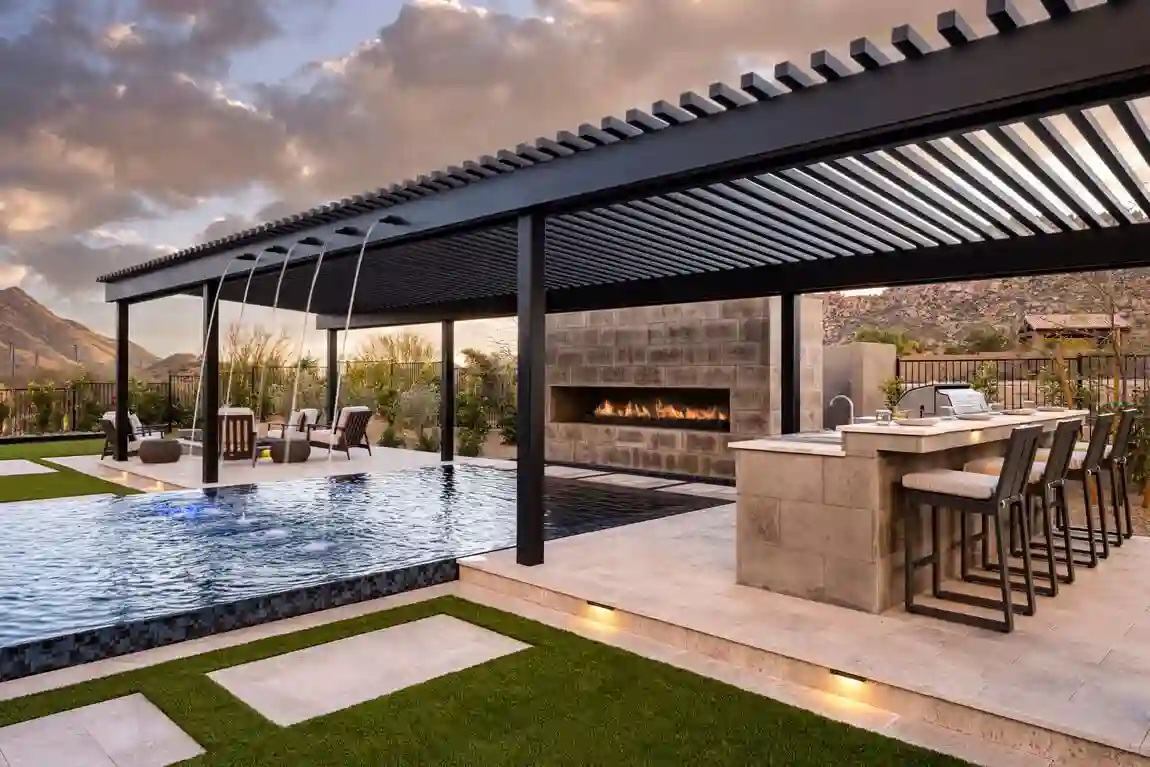
Yes — small pools, plunge pools, and “spools” (spa + pool hybrids) can fit into compact Phoenix yards when the plan is intentional. The key is to keep decking efficient, use vertical or wall features to define the space, and prioritize shade so the area stays usable in summer.
Design tips that help small pools feel bigger:
- Use light-colored hardscape around the water to reduce surface heat.
- Pair the pool with a compact shade solution instead of expanding the patio footprint.
- Build in one strong “wow” feature (like a water wall or modern coping) rather than adding multiple bulky elements.
- Plan equipment placement early so it doesn’t eat up valuable space.
If you’re considering a pool remodel or redesign, you can also explore our pool remodeling options to see what’s possible in Phoenix backyards.
Layout First: How to Make a Small Yard Feel Bigger
Thoughtful layout is the secret sauce for making a small yard feel expansive. Start with a scaled base plan that maps property lines, utility locations and existing structures. Then divide the space into functional zones—for example a lounging area, a dining nook and a play or garden corner—using paths or low walls to separate them. Keeping elements in scale prevents one feature from dominating and ensures your yard feels cohesive. Create a focal point such as a water feature or fire pit to draw the eye and establish an outdoor “room”.
Visual tricks can also enlarge a yard: lay pavers or decking on a diagonal to stretch sightlines, install curved pathways that invite exploration, and use level changes like a raised planter or low seating wall to add depth. Vertical space is your friend; trellises, green walls and tall planters provide greenery without sacrificing floor area. Using mirrors or reflective surfaces in sheltered areas can bounce light and create an illusion of depth. Don’t forget to frame views: position seating so you’re looking at your best plantings or borrowed scenery rather than a blank wall.
Consider layering elements just as you would inside your home. Start with structural “bones”—patios, paths and raised beds—then add mid-height shrubs and small trees, followed by groundcovers and accent plants. Layering creates visual interest and softens hard edges, making your yard feel lush and inviting. In narrow side yards, stagger planting pockets or use alternating materials to break up long straight lines. Thoughtful placement of outdoor art, pottery or sculptural cacti can also help define sub-spaces within a small yard.
Orientation matters too: south- and west-facing zones are ideal for sun-loving plants, while north or east sides suit Mediterranean-style herbs. Pay attention to prevailing breezes—arrange seating where you can catch cooling airflow and avoid blocking air circulation with walls or dense plantings. When everything has a purpose and flows together, even a 20-by-40-foot yard can feel generous. For professional help crafting the perfect layout, consult our Phoenix landscape design team or explore our yard remodels portfolio for inspiration.
Shade That Works in Phoenix
In Phoenix, shade isn’t a luxury—it’s a necessity. Without some kind of cover, patios and planting beds bake under 100 °F temperatures for months on end. Modern shade structures add comfort and style without swallowing your yard. A pergola draped with vines or bougainvillea creates an open yet shaded retreat, while a compact gazebo or ramada offers complete protection from sun and monsoon showers. Shade sails and movable umbrellas are budget-friendly options that don’t require permanent construction and are ideal for renters or HOA-restricted lots. Don’t overlook natural shade either—planting Palo Verde or Mesquite trees provides filtered cover without consuming precious water. For east- and west-facing yards, trellised vines along fences double as green walls and shade screens. Whatever you choose, pair shade with heat-reflective or light-colored surfaces so your patio stays cool.
The material you choose for your shade structure influences durability and maintenance. Aluminum and steel offer long life and minimal upkeep, while wood pergolas lend warmth but require periodic sealing. Fabric shade sails come in different UV ratings and colors; darker shades block more sun but may feel hotter underneath, while lighter fabrics reflect heat. Consider integrated lighting and fans under your shade structure to extend usability into the evening. And don’t forget about local codes—some HOAs limit the height or color of structures; choose designs that blend with your house and neighborhood to avoid conflicts.
Orientation plays a role in effective shading. An attached pergola on the west side can block harsh afternoon rays while allowing warm winter sun. Freestanding structures can be oriented to cast shade at different times of day. If your yard has no soil space for trees, use large pots for dwarf citrus or shade-loving shrubs to soften hardscapes and create microclimates. When you need advice on selecting or installing the right shade system, our pergolas specialists and patio builders are ready to help.
If you’re comparing shade options, you may also like our guide:
Best Shade Structures for Arizona Backyards.
Hardscape Choices for Small Yards
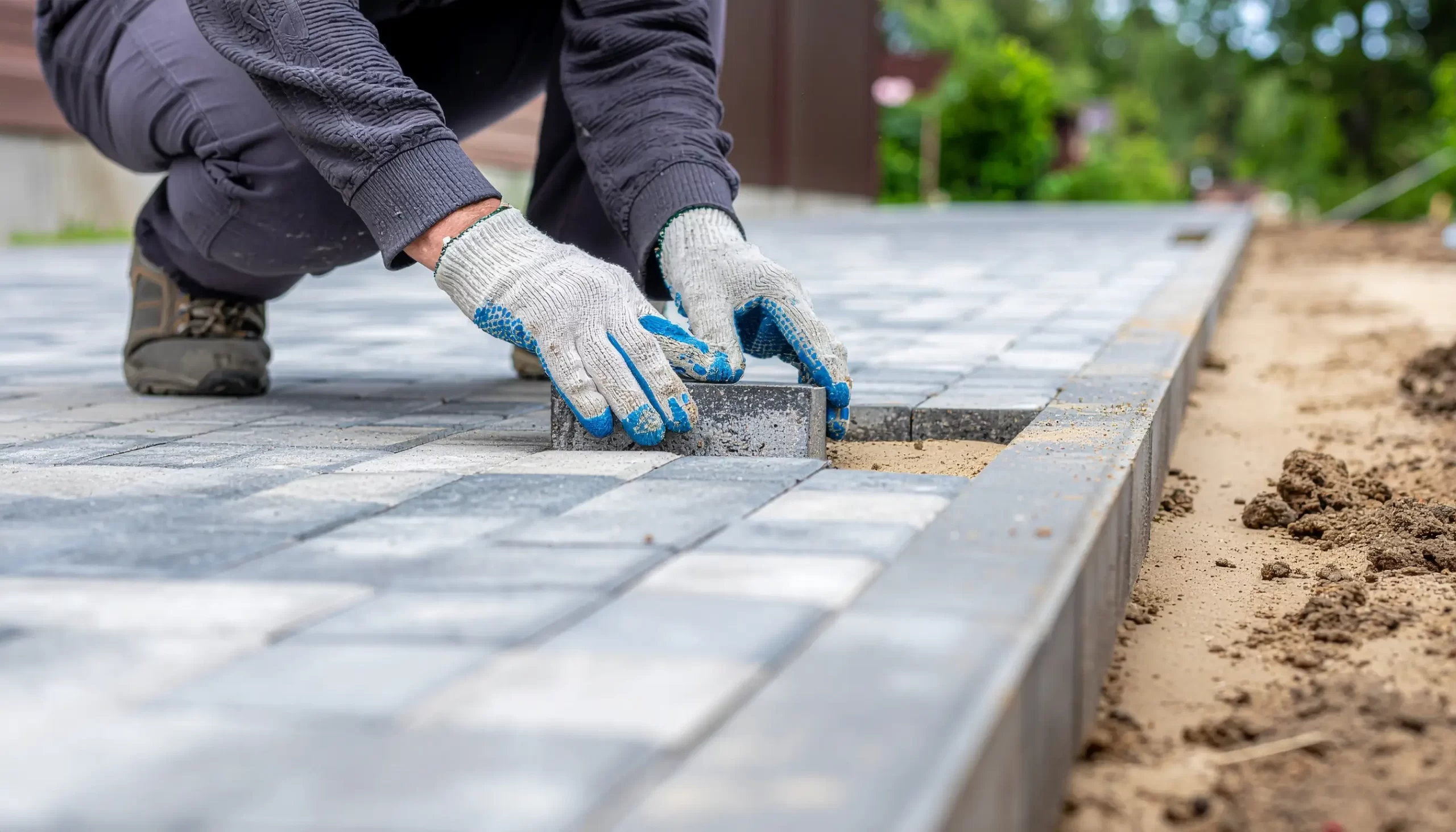
Your choice of paving and built structures can make or break a small Phoenix backyard. Traditional dark concrete or asphalt absorbs heat and radiates it back into the yard. Instead, opt for lighter-colored hardscape materials like travertine, light concrete, porcelain pavers or pale natural stone that reflect sunlight. These surfaces stay cooler underfoot and are more comfortable for barefoot traffic, pets and children. In compact spaces, use patterns that add visual movement—herringbone or diagonal paver layouts elongate sightlines and make the patio feel larger.
Porcelain pavers are growing in popularity because they’re low-maintenance, resist staining and can mimic the look of natural stone without the porous surface that collects desert dust. Travertine stays relatively cool, but it can require sealing depending on the finish and your exposure to pool splash or irrigation spray. Concrete pavers are versatile and can be installed with permeable joints to improve drainage during monsoon storms. If you’ve ever watched water pool in a small yard after a heavy rain, you know how important this is.
When choosing hardscape materials, consider texture. Smooth surfaces can become slippery when dust and rain mix, especially near pools or shaded patios. Look for slip-resistant finishes and add traction strips on steps. Also plan for expansion joints and proper base preparation—Arizona’s heat cycles can cause shifting if the foundation isn’t built correctly. Our hardscaping services and paver installation in Phoenix team can help you choose materials that look great, handle extreme heat, and hold up long-term.
Low-Water Greenery That Still Feels Lush
One of the biggest myths about desert landscaping is that it has to look barren. In reality, Phoenix yards can feel lush and colorful with the right plant palette and a smart watering strategy. Start with hydrozoning—group plants by water needs so your irrigation system can deliver the right amount of water to each zone. This approach supports healthy plants while keeping water use under control.
For greenery that thrives in Phoenix, mix structural plants (agaves, yuccas, sculptural cacti) with flowering perennials (lantana, desert marigold, penstemon) and shrubs (Texas sage, brittlebush). Add ornamental grasses in pockets to soften hard edges and create movement. In small yards, planters are a major advantage: they let you control soil quality, elevate plants for visual impact, and create microclimates in partially shaded corners.
Mulch matters more than most homeowners realize. A thick layer of mulch or decorative gravel reduces evaporation, keeps soil temperatures more stable, and helps plants establish roots. In planting beds, use drip irrigation instead of overhead spray to reduce evaporation and avoid waste. If you’re not sure which plants fit your lot’s sun exposure or how to build a water-wise planting plan, our xeriscaping services and irrigation installation team can help you build a yard that looks full without demanding constant watering.
Pet- and Kid-Friendly Small Backyards
Small yards can be amazing for families when the layout is designed for how you actually live. For kids, prioritize a safe open play zone with good visibility from the patio or indoor living space. For pets, think about heat first—surfaces like turf and dark pavers can get too hot during peak summer. Add shaded “cool-down” zones with breathable ground cover and consider a small dog run or potty area tucked behind a screen for cleanliness.
Choose durable, easy-to-clean materials. Sealed pavers and gravel zones help reduce mud and mess when monsoon storms hit. If you install turf, choose pet-friendly infill and include good drainage under the base. For families, seating walls with rounded edges offer extra places to sit without taking up space, and built-in storage helps keep toys and tools off the patio.
If your yard needs to serve multiple functions—play, pets, entertaining—zoning becomes essential. You can create distinct areas using paver edges, small planting borders, or subtle level changes. If you’re planning a family-focused upgrade, our backyard renovation services and outdoor living contractor team can help you design a layout that works now and still works as your needs change.
Outdoor Lighting for Small Spaces
Lighting is one of the best ways to make a small yard feel polished and intentional. It also improves safety when you’re walking around at night—especially near steps, paths, and uneven surfaces. The best small backyard lighting plans use layers: pathway lighting for navigation, uplighting to highlight trees or feature walls, and soft ambient lighting under pergolas or near seating areas.
In Phoenix, low-voltage lighting is popular because it’s energy-efficient and easy to control. You can also add smart timers so your lights turn on automatically at dusk and adjust seasonally. Keep fixtures discreet and focus on the effect rather than the hardware. In small spaces, too many bright lights can feel harsh, so aim for warm, subtle illumination that makes the yard feel comfortable.
If you want a cohesive lighting plan that improves nighttime curb appeal and usability, our outdoor lighting installation team can help you design the right lighting layers for your yard’s layout and features.
Small Backyard Features That Add ‘Wow’ Without Crowding
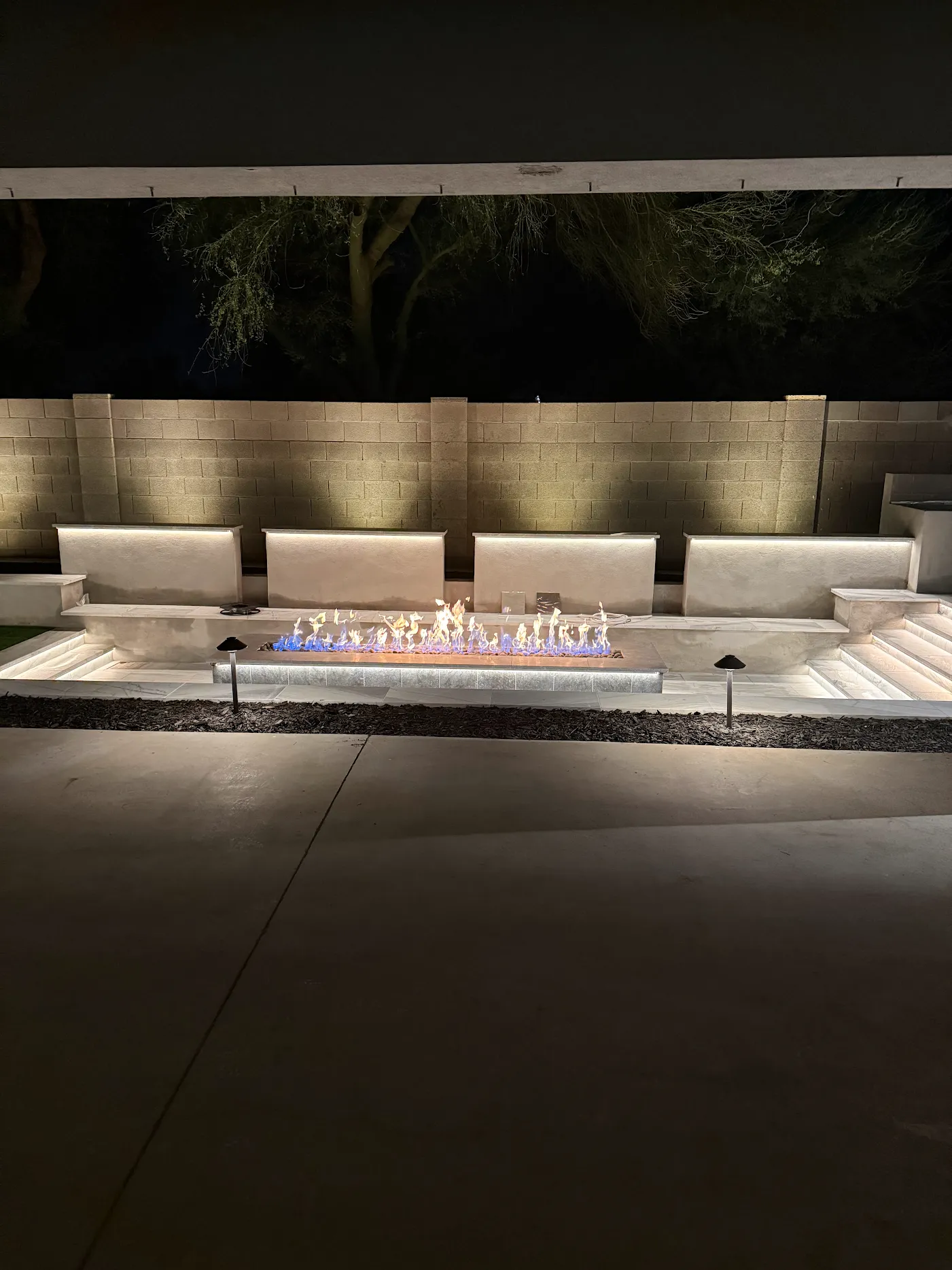
Small backyards don’t need big features to feel impressive—they need the right features in the right scale. A compact fire feature instantly adds atmosphere and extends your outdoor season. If you want the look without the footprint, consider a tabletop fire bowl or a low-profile gas fire feature integrated into a seating wall. Water features can work too, but keep them simple: a bubbling urn or pot fountain adds sound and movement without taking over the space.
Outdoor kitchens can fit in small yards if you think “micro kitchen” instead of full build-out. A grill, a small prep counter, and storage is enough to make entertaining easier. Tuck it along a wall or edge so it doesn’t interrupt circulation. Another high-impact option is a feature wall—stucco, stone veneer, or a modern slat wall paired with uplighting creates a focal point that makes the entire yard feel designed.
If you want help selecting high-impact upgrades that fit your yard’s footprint, explore our outdoor kitchen installation and fire pit installation services for ideas.
Common Mistakes in Phoenix Small Backyards (and How to Avoid Them)
The most common small yard mistake in Phoenix is underestimating heat. Dark hardscape, no shade plan, and high-water plant selections create discomfort and maintenance stress. Another frequent issue is skipping drainage planning. Even small yards can flood during monsoon storms if water can’t move away from the house or patio.
Homeowners also tend to overcrowd. In small spaces, every feature needs breathing room. Choose fewer, higher-quality elements instead of trying to fit everything. Finally, don’t ignore irrigation planning—efficient drip systems and seasonal watering schedules matter in the desert. If you want a yard that stays beautiful long-term, start with good planning and professional installation where it counts. Our landscape design services and backyard renovation services help Phoenix homeowners avoid these pitfalls from day one.
3 Example ‘Small Yard’ Design Plans

Click to Enlarge
Need inspiration? Here are three small yard design concepts tailored to Phoenix’s climate. Feel free to mix and match elements from each plan to suit your preferences.
1. The Relaxed Retreat
- Diagonal paver patio made from light-colored travertine, bordered with gravel to aid drainage.
- Wooden pergola draped with flowering vines for shade, accompanied by string lights for evening ambience.
- Vertical garden wall with succulents and herbs to maximize greenery and soften the home’s exterior.
- Compact bubbling fountain tucked into a corner for soothing ambience.
- Raised planters with drought-tolerant plants like agave, lantana and desert marigold.
- Accent seating wall around the patio that doubles as extra seating and planter edging.
- A small storage cabinet built into the seating wall to keep cushions and garden tools organized.
This plan is ideal for homeowners seeking a low-maintenance oasis for reading, meditation or intimate gatherings.
2. Family Fun & Play
- Shaded artificial turf area framed by decomposed granite for a cushioned play surface.
- Movable shade sails for flexible coverage.
- Built-in bench with storage for toys and tools.
- Raised garden beds positioned for morning sun and afternoon shade.
- Space-saving portable fire pit for evening s’mores.
- A vertical chalkboard or art panel where kids can draw and rotate seasonal decor.
- A pet-friendly potty area tucked behind a screen of ornamental grasses.
Designed for families with children and pets, this layout supports outdoor play and flexible use in a compact footprint.
3. Entertainer’s Nook
- Compact outdoor kitchen with grill, prep counter and bar seating, positioned along a wall for space efficiency.
- Porcelain paver patio with a diagonal pattern for a larger visual footprint.
- Seating wall that defines the dining area, accented with subtle undercap lighting.
- Low-voltage uplighting highlighting feature plants and walls, plus dimmable string lights overhead.
- Portable bar cart for drinks and snacks that can be rolled inside when not in use.
- Modern gas fire bowl for quick ambiance and easy on/off control.
- Potted citrus trees for fragrance and color without taking up planting bed space.
If you’d like help customizing a plan, reach out to our outdoor living contractors for a free quote.
When to Bring in a Phoenix Landscape Designer
Sometimes DIY enthusiasm runs into the hard reality of Arizona’s climate, local building codes and HOA rules. A professional landscape designer understands Phoenix microclimates, soil conditions and drainage challenges and can help you avoid costly missteps. They know how to size and site shade structures, select drought-tolerant plants, lay out irrigation zones and create designs that look good year-round. Designers also handle permitting and can help align the design with HOA expectations.
Another benefit of working with a professional is budget management. Designers can help you prioritize features and recommend cost-effective materials that still look beautiful. During construction, a designer helps ensure grading, drainage and irrigation are installed correctly. After installation, they can advise on maintenance schedules, plant care and seasonal adjustments so your investment stays healthy.
If your project involves grading for drainage, adding outdoor kitchens, integrating gas lines, or complex lighting and electrical work, it’s wise to involve experts. Our team offers full service—from concept to construction—through our landscape design services and Phoenix landscape design. Contact us today via our contact page to discuss your ideas and turn your small yard dreams into reality.
Frequently Asked Questions
- Do I need a permit for a pergola or patio cover in Phoenix? Sometimes. Permits are more likely when a structure is attached to the home, includes electrical work, or involves significant construction. If you’re unsure, review the City of Phoenix patio cover guidance and confirm what applies to your project before you build.
- What’s the smartest way to make turf usable in Phoenix summers? Design shade first. Turf performs best when it’s partially shaded and limited to a specific zone. Pair it with cool hardscape areas and a covered seating space so the yard stays usable even in peak heat.
- How do Phoenix pet owners prevent turf from smelling? Odor control typically comes down to drainage and routine rinsing. A well-built base, pet-friendly infill, and a simple rinse routine go a long way. If you have multiple dogs, a dedicated pet zone (not full-yard turf) is usually easier to manage.
- Are shade sails safe in monsoon winds? They can be, but they must be installed correctly with proper anchoring and tensioning. Because shade sails behave like sails, poorly installed systems can cause damage. Many homeowners take sails down during severe storms to reduce risk.
- What’s better for a small Phoenix yard: pavers or poured concrete? Both can work, but pavers offer flexibility, design options, and easier repairs if shifting occurs. For comfort, choose lighter colors and a slip-resistant surface, especially near pools or shaded patios after rain.
- How do I stop water from pooling in my small backyard during monsoons? Start with grading and runoff direction. Small yards often need subtle slope adjustments, drains near patio edges, and permeable or well-draining hardscape solutions. The key is giving water a path to exit instead of trapping it.
- Is decomposed granite a good choice for Phoenix backyards? It can be, but it needs correct installation. If DG is loose or muddy, it often means it wasn’t compacted properly or the base layers weren’t built correctly. In small yards, DG can work best when used in defined zones with solid edging.
- What are the best privacy solutions for a small Phoenix backyard with a short wall? Common solutions include tall planters with screening plants, trellises with vines, decorative privacy panels, and carefully placed shade structures. HOA rules often limit fence heights, so “layered” privacy solutions are usually the most effective.
- How often should I run drip irrigation in Phoenix? It depends on plant type, sun exposure, and season. A good baseline is to water deeply but less often, then adjust for extreme heat and plant stress. For Phoenix-area guidance, use local watering resources and monitor how plants respond.
- Can I fit an outdoor kitchen in a small Phoenix backyard? Yes. A “micro kitchen” (grill + small counter + storage) works well when it’s placed along a wall or perimeter so it doesn’t interrupt circulation. It’s one of the easiest ways to increase usability without crowding the yard.
- Can I fit a small pool or spool in a compact yard? Often yes, but it requires intentional planning. Keeping the deck efficient, managing equipment space, and integrating shade are the best ways to make a small pool area feel comfortable and not cramped.
- What lighting works best for small backyards? Layered lighting wins: subtle path lighting for safety, uplighting for focal points, and soft ambient light under pergolas or near seating. Avoid overly bright fixtures that make small spaces feel harsh.