New Construction Landscaping for Phoenix Homes: Planning Water-Wise Outdoor Spaces from the Ground Up
Building a new home in the Phoenix metro area presents a rare opportunity to design an outdoor space from the ground up. Unlike older properties that require demolition or reworking existing features, new construction landscaping allows every decision—grading, irrigation, hardscape, plant selection, and shade—to be made intentionally from the beginning.
However, landscaping for new construction in Arizona is very different from landscaping in cooler or wetter regions. Extreme heat, limited rainfall, compacted construction soil, water-use regulations, and HOA requirements all influence how a yard should be designed and built. Without thoughtful planning, newly installed landscapes can struggle within their first few years.
This guide walks through the complete new construction landscaping process for Phoenix homes. It covers site preparation, layout planning, turf and hardscape decisions, irrigation design, plant selection, shade strategies, HOA considerations, budgeting, and long-term maintenance. The goal is to help homeowners create outdoor spaces that are functional, water-wise, and built to last in desert conditions.
Understand the Starting Conditions of a New Build Lot
New construction lots typically begin in a challenging state for landscaping. Heavy equipment used during home construction compresses the soil, disrupts natural drainage patterns, and removes existing organic matter. Builders often leave yards roughly graded with minimal attention to long-term plant health.
Before installing any landscape features, homeowners should assess:
Soil compaction levels and drainage behavior
Slopes that direct water toward or away from the home
Utility lines, easements, and setback restrictions
Sun exposure throughout the day and across seasons
Compacted soil limits oxygen availability and water absorption, which can prevent plants from establishing deep root systems. Without correction, irrigation becomes inefficient and plants experience stress during extreme heat.
Grading is especially important in Phoenix, where monsoon storms can bring heavy rainfall in short periods. Proper grading directs water away from the foundation while allowing runoff to reach planting areas where it can be absorbed.
Homeowners planning patios, walkways, or retaining walls benefit from reviewing hardscaping essentials early, since base preparation and drainage work should occur before planting begins.
Plan the Landscape Layout Before Installing Anything
One of the most common mistakes in new build landscaping is installing features in isolation. Adding turf, plants, or patios without a comprehensive plan often leads to inefficient irrigation, awkward traffic flow, and costly revisions.
A complete landscape layout considers how the yard will function day to day and season to season. Homeowners should think about:
Where people will sit, walk, and gather
How pets or children will use the space
Privacy needs from neighboring homes
Views from inside the house looking outward
Planning the layout early also allows irrigation zones, lighting conduits, and drainage solutions to be installed before hard surfaces are completed. This reduces disruption later and preserves finished areas.
Design Turf and Hardscape Areas Wisely
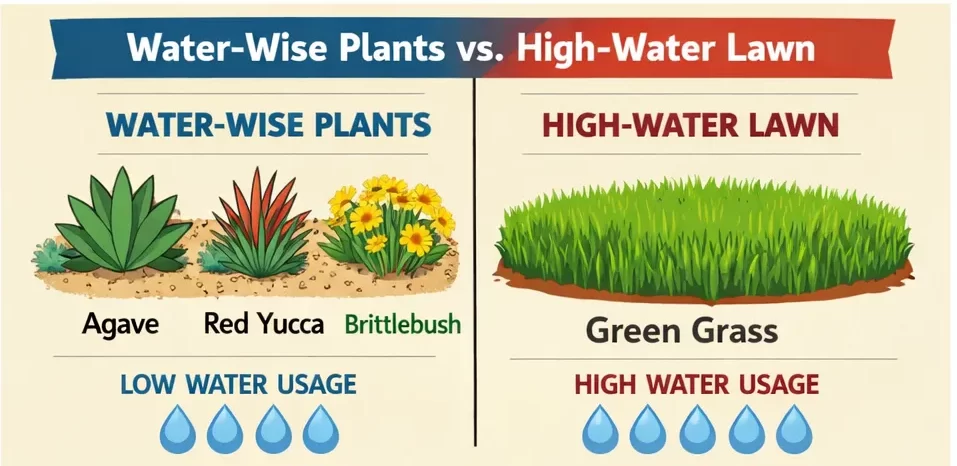
Turf and hardscape decisions shape how usable and efficient a new construction landscape will be. In Phoenix, traditional grass lawns require frequent watering and ongoing maintenance, making them less practical for large areas.
Many homeowners choose to limit turf to small, functional zones—such as play areas or pet spaces—while using hardscape and desert planting throughout the rest of the yard.
Artificial turf has become a popular solution for new builds, offering a consistent green appearance without irrigation. However, turf absorbs heat, so placement matters. Pairing turf with shade structures or trees helps improve comfort. For a deeper comparison, see artificial turf versus natural grass.
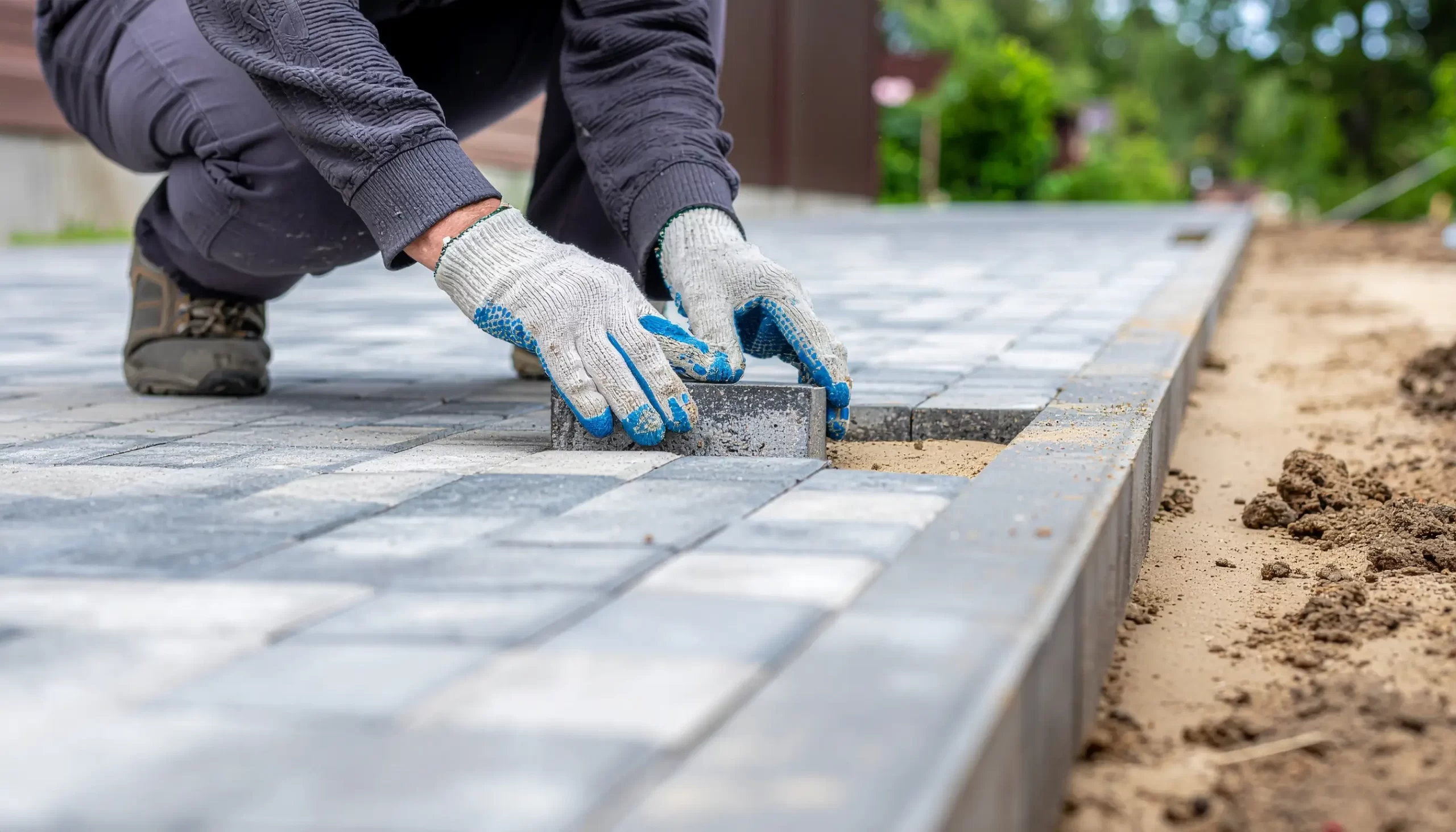
Hardscape elements such as patios, walkways, and seating areas create defined outdoor rooms. Pavers are commonly used because they handle heat expansion better than poured concrete and allow for drainage when properly installed.
Before finalizing designs, homeowners should review planning your paver patio to understand layout options, base preparation, and material considerations.
Install Efficient Irrigation from the Start
Irrigation is the backbone of any Phoenix landscape. Installing an efficient system from the beginning ensures plants receive the right amount of water while minimizing waste.
Drip irrigation is the preferred choice for desert landscapes. By delivering water directly to plant roots, drip systems reduce evaporation and overspray. This is especially important during summer months when temperatures exceed 100°F.
Grouping plants with similar water needs into irrigation zones simplifies scheduling and reduces stress on plants. Controllers should be adjusted seasonally to reflect changing temperatures and daylight hours.
Select Drought-Adapted Trees, Shrubs, and Ground Covers
Plant selection determines how well a landscape performs over time. Desert-adapted plants are designed to withstand heat, low humidity, and infrequent rainfall.
When selecting plants, start with purpose:
Trees for shade and cooling
Shrubs for structure and privacy
Ground covers for erosion control
Popular choices for Phoenix landscapes include palo verde, desert willow, ironwood, agave, lantana, and ornamental grasses. These plants require less water once established and align with many HOA guidelines.
Shade is one of the most valuable elements in a Phoenix landscape. Without it, outdoor spaces can become unusable during warmer months.
Shade trees, pergolas, and covered patios reduce surface temperatures and improve comfort. Strategic placement—especially on the west and south sides of a yard—blocks intense afternoon sun.
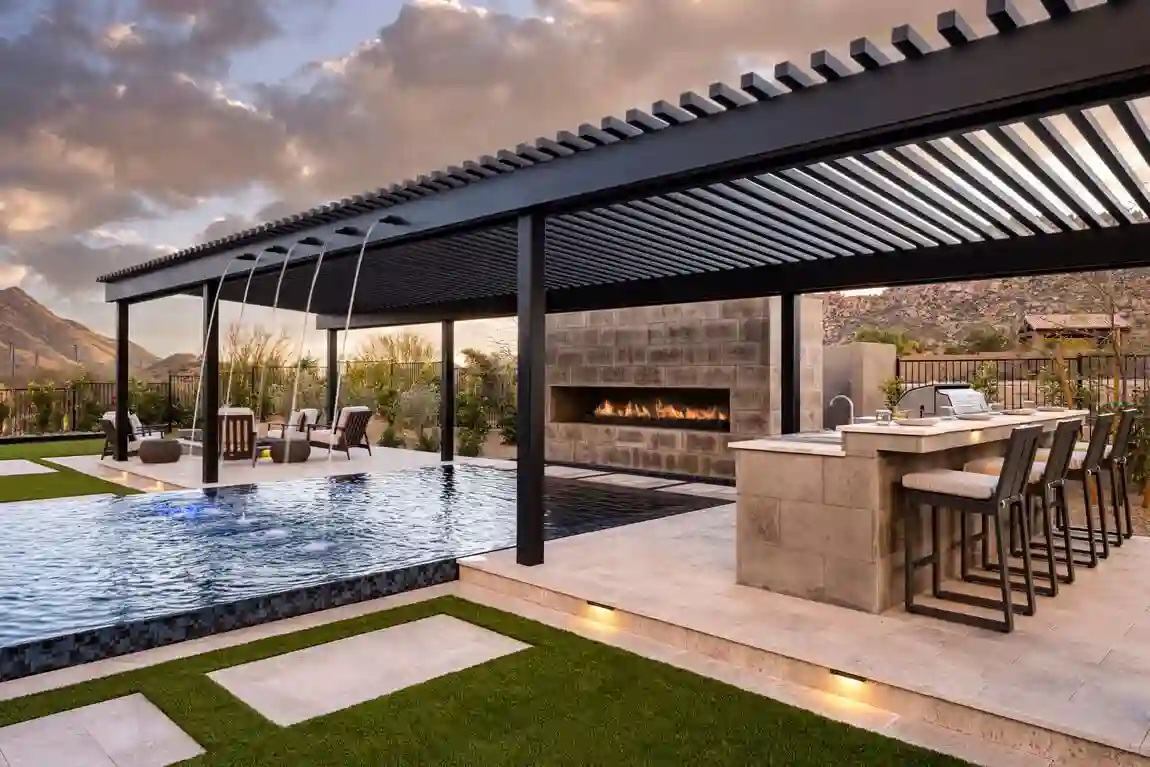
Pergolas provide structure while allowing airflow and filtered light. Over time, fabric covers or climbing plants can increase shade coverage.
Use Mulch and Rock to Protect Soil
Mulch and decorative rock play an important role in desert landscapes. Organic mulch helps regulate soil temperature and reduce evaporation, while rock and decomposed granite minimize erosion and weed growth.
In new construction landscapes, mulch also improves soil structure over time, allowing roots to expand more easily.
Navigate HOA Rules and Water Regulations
Many new Phoenix communities operate under HOA guidelines that regulate plant types, turf coverage, and hardscape materials. Reviewing these rules early prevents delays and redesigns.
Water conservation programs and rebates may also influence design decisions. Homeowners can explore Arizona landscaping rebate programs that encourage efficient landscaping.
Package Spotlight: New Landscape Installations for New Homes in Phoenix
For homeowners seeking a streamlined starting point, Platinum Outdoors offers Landscape Installations for New Homes in Phoenix. This package is designed specifically for new construction homes across the Valley and begins at $10,000.
The package includes:
Artificial turf installation
Paver installation for patios or walkways
Landscape rock inserts to define planting areas
This approach allows homeowners to establish a functional, low-maintenance yard while leaving flexibility for future enhancements. Learn more about landscape installations for new homes.
Even water-wise landscapes require some care. Irrigation systems should be checked seasonally, mulch refreshed as needed, and plants lightly pruned to maintain shape.
Establishing a realistic landscaping budget early allows homeowners to phase projects efficiently. Investing in quality materials and experienced contractors reduces long-term maintenance and repairs.
Selecting a contractor familiar with desert conditions ensures proper grading, irrigation design, and material selection.
Frequently Asked Questions
What makes landscaping for new construction in Phoenix different?
Extreme heat, limited rainfall, and water regulations require desert-adapted plants, efficient irrigation, and thoughtful shade planning.
How soon should landscaping be installed after construction?
Grading and irrigation can begin immediately, while planting is often best scheduled during cooler months.
Can grass be included in a water-wise landscape?
Yes, when limited to functional areas and supported by efficient irrigation or artificial turf.
How should new plants be watered?
New plants require frequent watering initially, followed by deep, infrequent irrigation as roots establish.
Is it better to phase landscaping projects?
Phasing allows homeowners to manage budgets and expand outdoor spaces over time.
An outdoor fire feature can completely change how an Arizona backyard feels once the sun goes down. Fire pits create casual gathering spaces where family […]
Travertine pavers are one of the most recognizable natural-stone choices for Arizona outdoor spaces. Their softly textured surfaces, naturally varied colors, and ability to complement […]
A louvered roof pergola in Phoenix offers something that traditional patio covers and open-roof pergolas cannot: the ability to adjust the amount of sunlight, shade […]