If you’re standing in your backyard wondering what to do with it—especially if it’s still just dirt
from a new build—you’re not alone. Many Chandler homeowners find themselves staring at an empty yard,
trying to figure out the best way to handle it. The questions usually sound pretty similar: What
actually works in this heat? Should I do turf, rock, or plants? How do I make it look good without
creating a maintenance headache or wasting water?
Landscape design in Chandler comes with a different set of realities than cooler or wetter parts of
the country. Extreme summer heat, long sun exposure, HOA guidelines, and water conservation all shape
how outdoor spaces function over time. What looks great in photos or on a design board doesn’t always
translate into a yard you’ll actually use.
This guide compares common landscape design options used in Chandler yards, focusing on materials,
layouts, shade planning, and long-term performance in real East Valley conditions. It’s meant to help
you think through tradeoffs before committing to a direction—without contractor talk, pricing, or
sales pressure.
Turf, Rock, or Plants? How Chandler Homeowners Decide What Their Yard Should Be Made Of
Why most Chandler yards end up as a hybrid instead of all turf or all hardscape
One of the first decisions homeowners face is what the yard will mostly be made of. For many people,
this shows up as a simple question: turf, rock, or plants? In reality, it’s rarely an all-or-nothing
choice. Each surface behaves differently in heat, requires different levels of care, and changes how
the yard feels day to day.
Turf—whether natural or synthetic—tends to feel softer and more comfortable underfoot. It’s often
appealing for families with kids or pets and can visually cool down a space. The tradeoff is that turf
still needs thoughtful placement so it doesn’t become an unused patch baking in the sun.
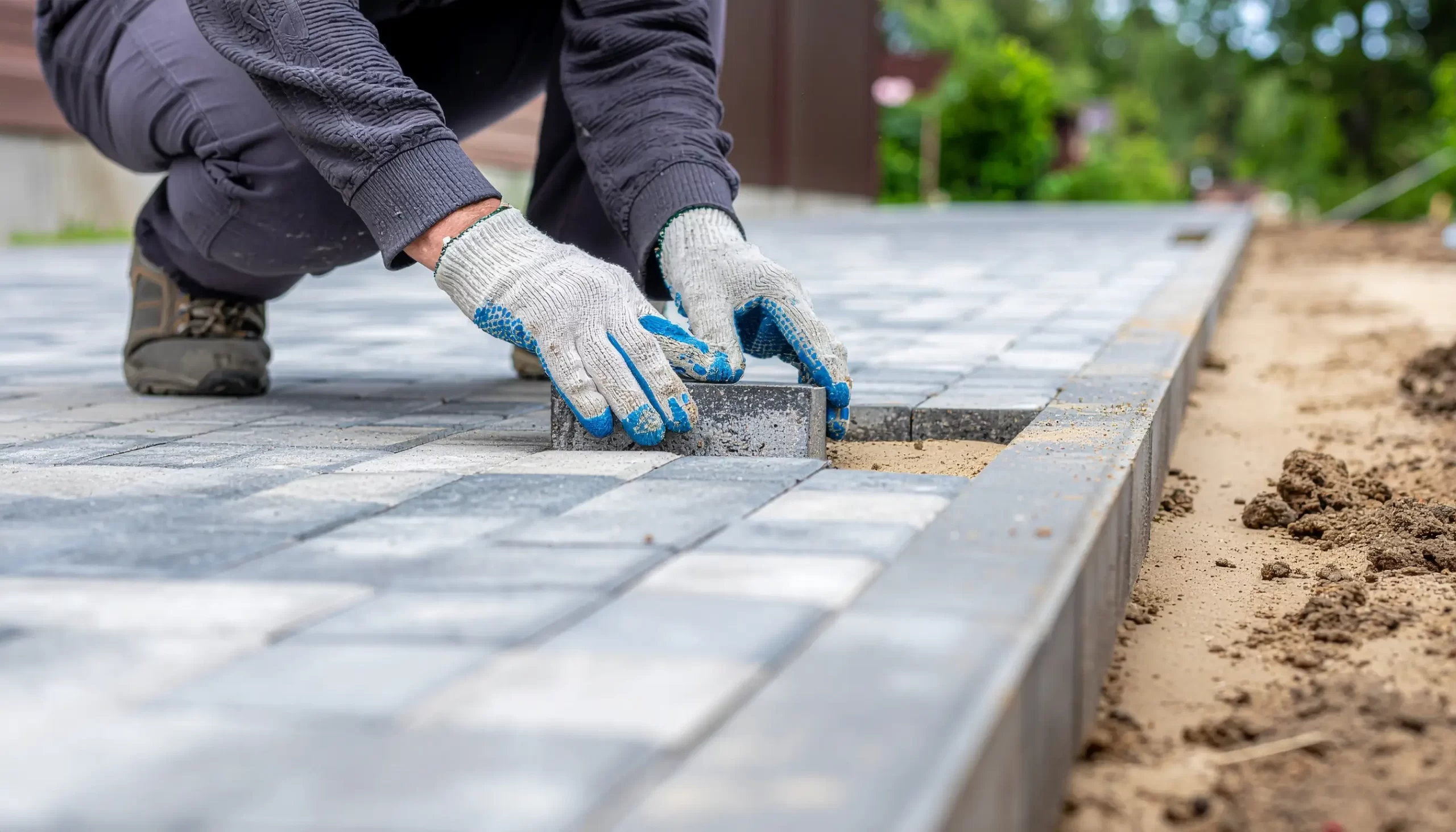
Hardscape surfaces like pavers, concrete, and stone offer durability and lower water use. They’re
often chosen by homeowners who want a cleaner look or less routine upkeep. Without shade or lighter
materials, however, large hardscape areas can feel uncomfortably hot in summer.
Xeriscape approaches—using gravel, decomposed granite, and drought-tolerant plants—are popular in
Chandler for water efficiency. When done well, they look intentional and organized. When done without
structure, they can feel empty or unfinished.
- Turf-forward: Softer underfoot and better for play or pets, but needs planning to avoid heat buildup.
- Hardscape-forward: Clean and durable with lower water use, but heat management becomes critical.
- Xeriscape-forward: Water-wise and HOA-friendly, but relies on layout and focal points to feel complete.
- Hybrid: The most common approach—using each surface where it makes the most sense.
For homeowners who want a deeper look at surface-level tradeoffs, this comparison helps frame the
decision: turf vs natural grass in Arizona conditions.
Comparing Common Landscape Design Approaches in Chandler
| Design Approach |
Why Homeowners Choose It |
Tradeoffs to Plan Around |
Best Fit For |
| Turf-Forward |
Feels softer, better for pets and play, visually cools the space |
Needs shade and placement planning to stay usable |
Families, pet owners |
| Hardscape-Forward |
Lower water use, clean look, easier upkeep |
Can retain heat without shade or lighter materials |
Low-maintenance priorities |
| Xeriscape-Heavy |
Water-wise, minimal irrigation, HOA-friendly |
Needs structure to avoid looking sparse |
Water-conscious homeowners |
| Hybrid Layout |
Balances comfort, water use, and usability |
Requires intentional zoning |
Most Chandler homes |
| Shade-First Design |
Makes outdoor areas usable even in summer |
Best planned early to avoid layout conflicts |
Entertaining-focused yards |

Do You Need Shade Everywhere? Comparing Shade-First and Sun-Managed Yard Layouts
How shade placement affects comfort more than most material choices
A yard can look great on paper and still feel unusable if there’s nowhere to escape the sun. In
Chandler, shade often matters more than the surface material itself. A shaded patio with simple
materials can feel more comfortable than an exposed space built with premium finishes.
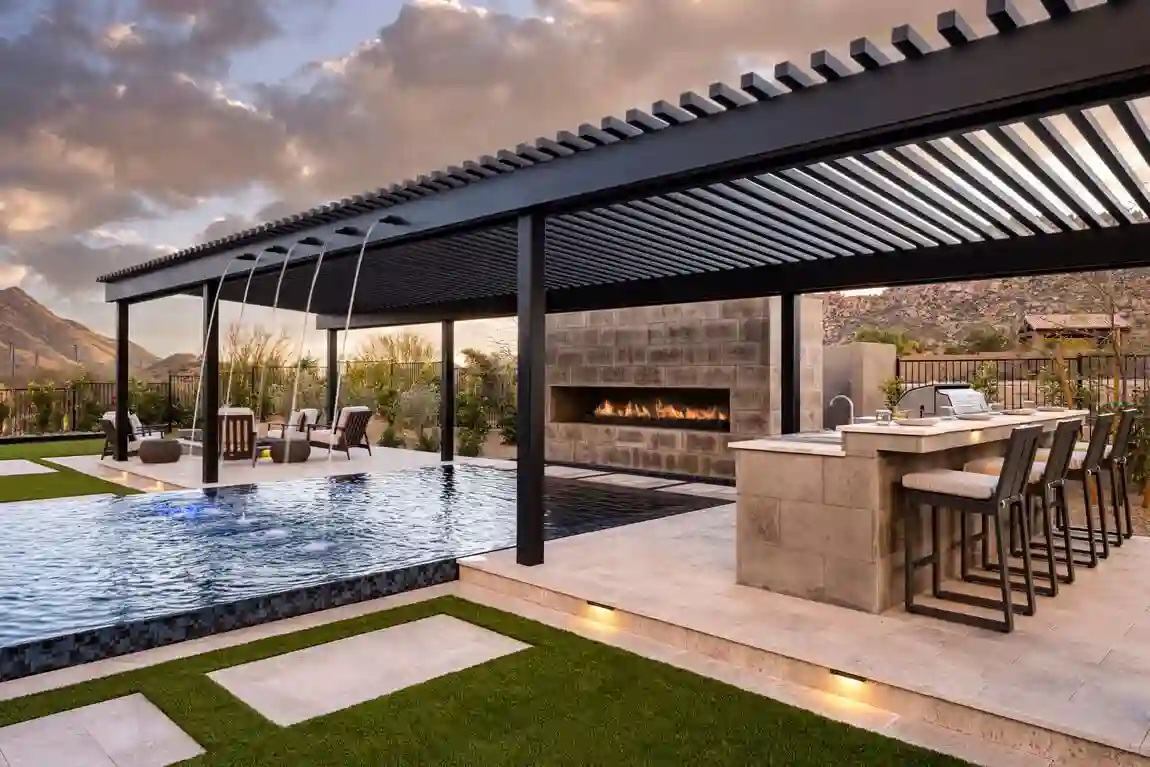
Shade-first layouts prioritize covered areas from the start. Seating, dining, and gathering spaces
are placed under pergolas or other shade elements so they remain usable for more of the year.
Sun-managed layouts accept more direct exposure but use orientation, lighter colors, and strategic
placement to reduce heat. These designs often work best when homeowners primarily use the yard in the
morning or evening.
For a practical overview of shade solutions that perform well in Arizona: shade structure ideas that work in Arizona.
What Hardscape Materials Feel Better in Chandler Heat?
Why color, texture, and placement matter more than the material name
A common question homeowners ask is some version of: “What hardscape won’t burn my feet?” While no
material stays cool in peak summer heat, some perform better depending on color, finish, and where
they’re used.
Lighter-colored materials tend to reflect more heat than darker ones. Textured finishes can feel
more comfortable underfoot and improve traction. Placement also matters—hardscape under shade
behaves very differently than the same material in full afternoon sun.
For homeowners comparing specific stone options: travertine vs porcelain pavers.
Xeriscape or Plants Around the Patio? How Chandler Yards Stay Water-Wise Without Looking Empty
Many homeowners want a low-water yard but worry it will end up looking like “just rock.” The most
successful water-wise designs balance open gravel areas with intentional planting near focal points
like patios, walkways, and walls.
Xeriscape-heavy designs rely on fewer plants overall, while accent-planting approaches concentrate
greenery where it’s seen and used most. Both strategies can work well when planned with structure and
spacing in mind.
A deeper look at drought-tolerant strategies: drought-tolerant plants and xeriscaping strategies.
Open Yard or Zoned Layout? What Actually Makes a Chandler Backyard More Usable
Why smaller lots benefit from zones—even if you want flexibility
When homeowners ask for “ideas for my backyard,” they’re often deciding between keeping the space open
or dividing it into zones. Open layouts feel flexible and simple, while zoned layouts help define how
the space is actually used.
Zoned layouts often work better on smaller Chandler lots, creating clear areas for seating, dining,
pets, or play without crowding. Open layouts can work well when sightlines and multipurpose use are
priorities.
For layouts tailored to tighter spaces: small backyard layout strategies.
Drip or Sprinklers? How Irrigation Choices Tie Back to Layout and Plants
Irrigation decisions should follow layout and planting choices, not the other way around. Drip
systems pair naturally with xeriscaping and accent planting, while broader coverage systems may be
used where turf plays a larger role.
Overwatering is common when irrigation doesn’t align with plant needs. A clear comparison is covered
here: drip irrigation vs sprinklers compared.
How HOA Rules Change Landscape Design Choices in Chandler Neighborhoods
Common front-yard and visibility limits homeowners don’t plan for
HOA guidelines often influence materials, plant height, turf coverage, and overall visibility. Front
yards are usually more regulated than backyards, making clean lines and low-profile planting easier
to approve.
Understanding these limits early helps avoid redesigns later.
Designing a Landscape for a New Build Yard That Starts as Bare Dirt
New construction yards often come with compacted soil, unfinished grading, and minimal shade.
Planning layout and drainage early helps prevent long-term issues.
Related planning guidance: landscaping planning for new homes.
Why West-Facing Yards Feel Hotter (and How Design Choices Compensate)
West-facing yards absorb intense afternoon sun, while east-facing yards are often more usable earlier
in the day. These differences affect shade placement and surface selection.
Front Yard vs Backyard Design: Where Chandler Homeowners Prioritize Looks vs Use
Front yards typically prioritize curb appeal and HOA compliance, while backyards focus on comfort
and usability. Treating both areas the same can lead to frustration.
Outdoor Lighting: The Design Layer Most People Forget Until It’s Too Late
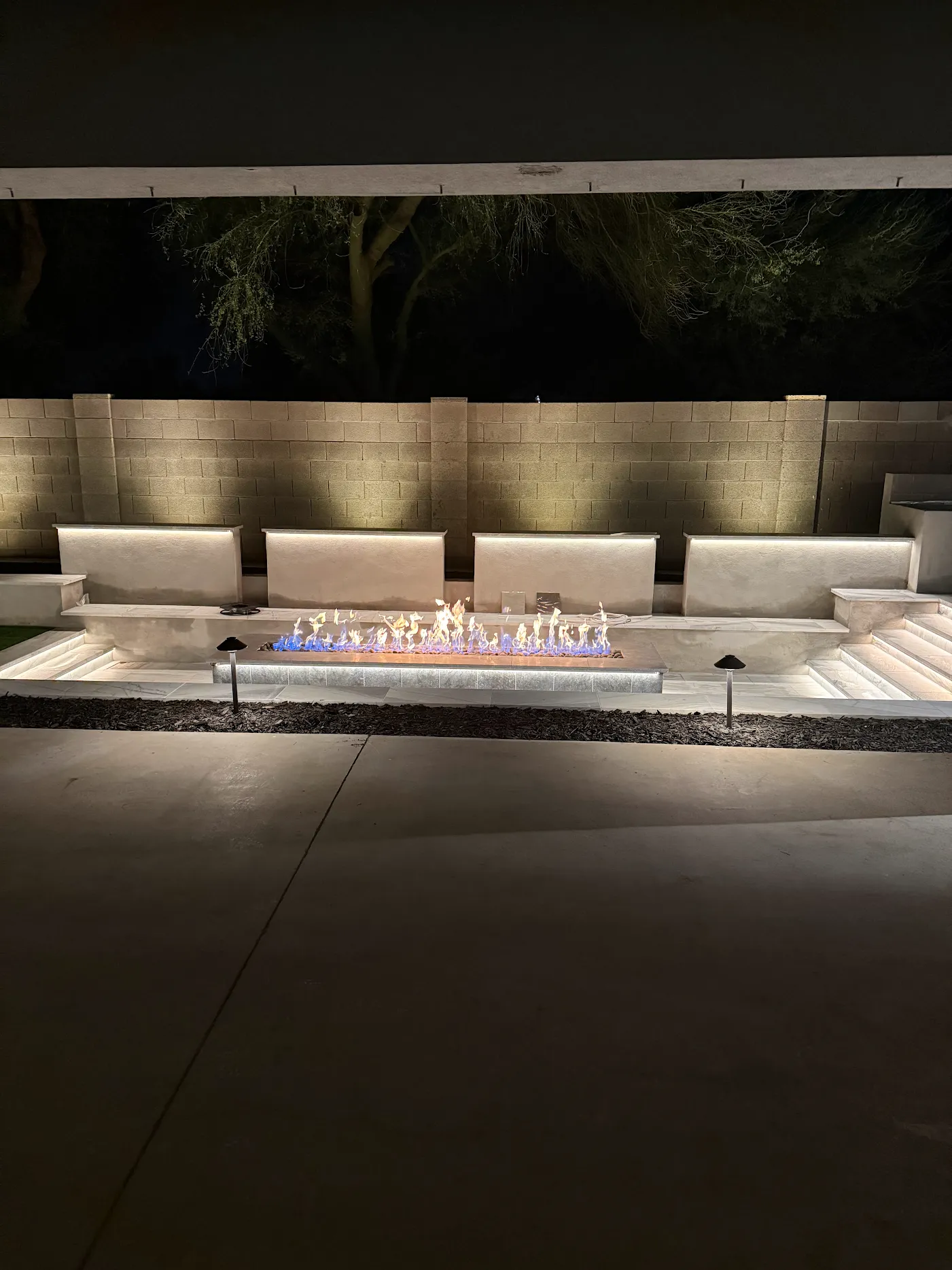
Lighting affects how a yard functions after sunset. Planning it alongside layout and hardscape helps
avoid awkward add-ons later.
Planning overview: outdoor lighting installation guide.
What “Low Maintenance” Actually Means for Different Chandler Yard Designs
Low maintenance doesn’t mean no maintenance. Hardscape reduces watering, turf adds comfort, and
xeriscaping lowers irrigation—but each still requires occasional care.
Can You Landscape in Phases Without Redoing Everything Later?
Phased landscaping works best when layout, drainage, and utilities are planned first. This prevents
having to undo finished areas later.
Future-focused ideas: Arizona backyard ideas for 2026.
Questions Chandler Homeowners Actually Ask About Landscape Design
My backyard is basically dirt — where do people usually start?
Most homeowners start with layout and shade before choosing materials.
Is turf better than rock in this heat, or does everything get hot anyway?
Everything gets warm, but shade, color, and placement make a big difference.
How do people keep their yard low maintenance without it looking empty?
Structure matters more than plant volume.
Do I really need shade everywhere, or just in certain spots?
Shade matters most where people actually spend time.
How much do HOA rules actually affect what I can do?
HOAs focus mainly on visible areas like front yards.
Can I landscape in phases without having to redo things later?
Yes, if infrastructure is planned early.